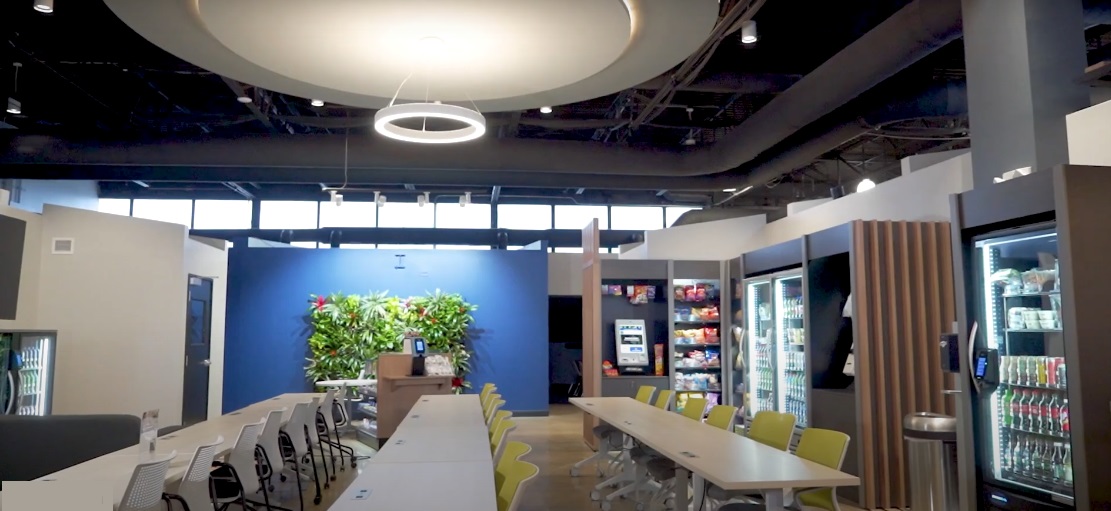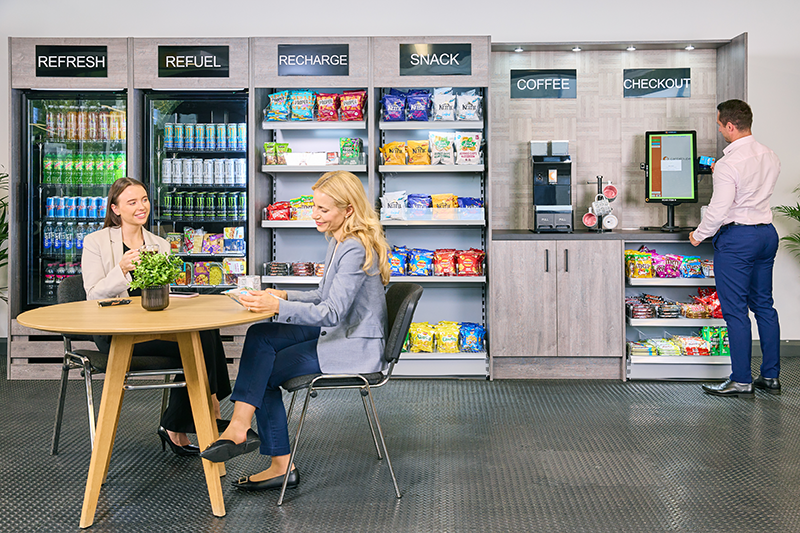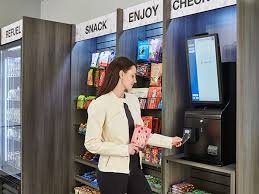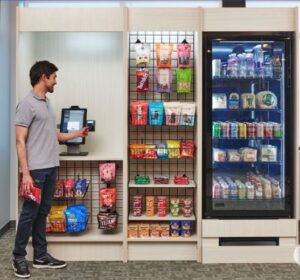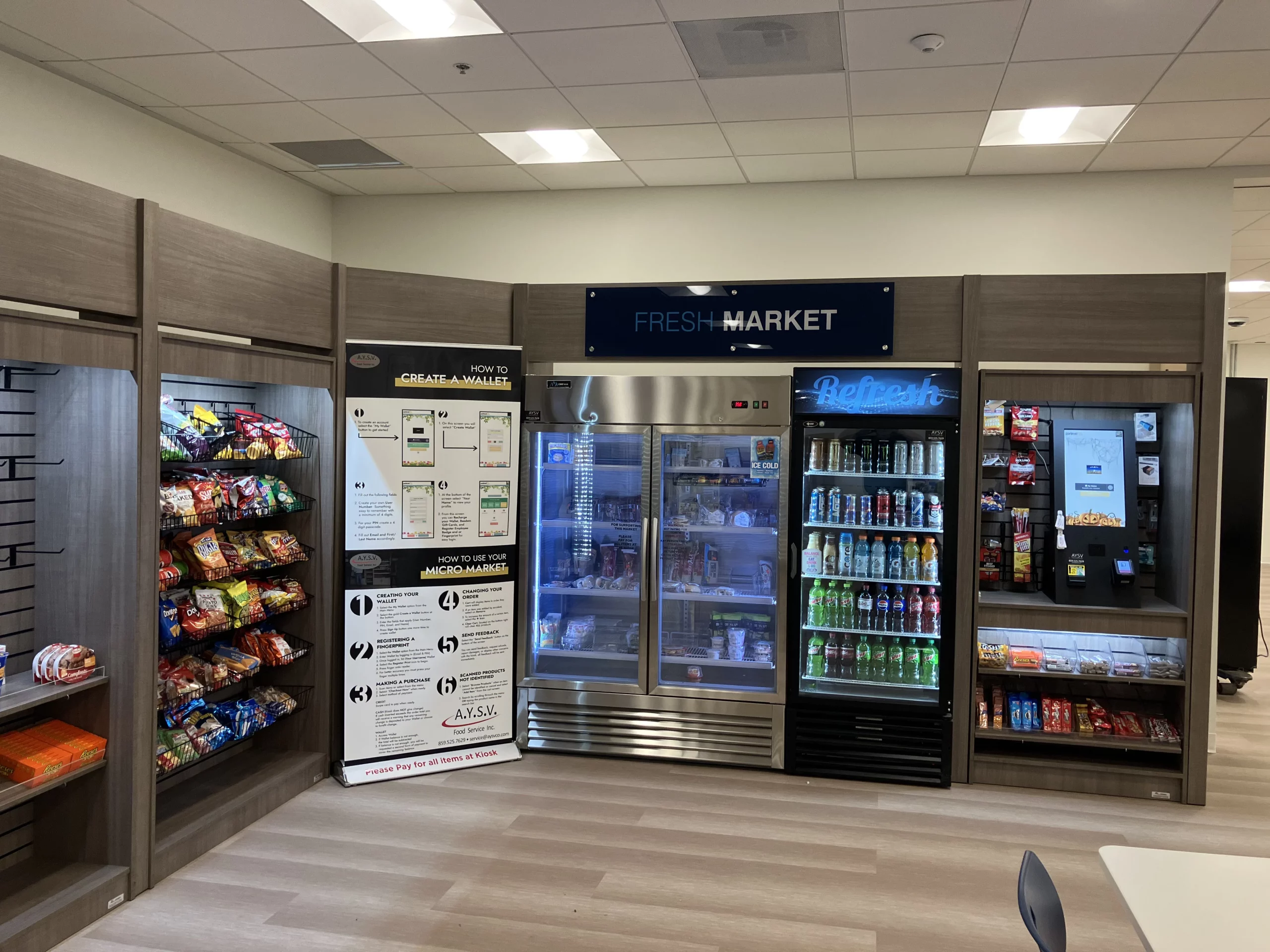
A corporate micro market is the best upgrade you can do in your breakroom if you want more choice than vending, faster checkout, and reliable restocking with clear accountability. For many workplaces, it feels like bringing a small convenience store onsite, with open shelves, grab and go drinks, fresh options, and a self checkout kiosk that keeps the experience quick. Compared to traditional machines, it is easier to browse, easier to add healthier items, and easier to adjust the product mix based on what employees actually buy. When paired with a vending service company like Dallas Vending Services, you also get one partner to handle service, inventory, and support across snacks, beverages, and essentials. Some locations can go even further by adding AI smart coolers, which use connected technology to track sales and improve availability while keeping the setup compact. The result is a cleaner, more modern breakroom that saves time and keeps teams energized throughout the day.
Quick List You Can Copy For a Successful Dallas Micro Market Set Up
- Size it to headcount and peak breaks, not total square footage.
- Use a “Good, Better, Best” product ladder so everyone finds a fit.
- Build a layout that sells: cold first, then snacks, then essentials.
- Set par levels and service cadence so top sellers never go out of stock.
- Add fresh food only if you can rotate it on time, every time.
- Make checkout frictionless with tap, mobile wallet, and clear signage.
- Reduce shrink with lighting, camera placement, and smart product placement.
- Track 3 KPIs weekly: sell-through, out-of-stocks, and shrink.
- Pick one operator who owns service, support, and reporting.
The best corporate micro market in Dallas is a small, well-managed system that is easy to shop, easy to restock, and hard to mess up.
What is Corporate Micro Market Service in Dallas?
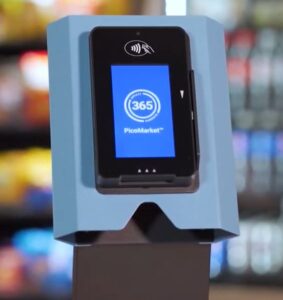
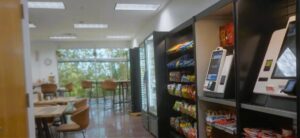
A micro market is an unattended “mini store” inside your workplace with open shelving, coolers, and a self-checkout kiosk.
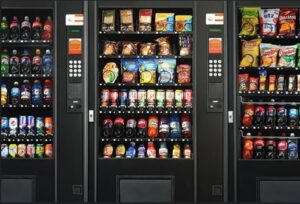
Compared to traditional vending, a micro market typically offers broader selection, better visibility, and a more convenient shopping experience when it is managed correctly.
A corporate micro market service usually includes:
- Site survey and planogram (layout map)
- Equipment setup (kiosk, coolers, shelving)
- Product selection, stocking, and rotation
- Maintenance and support
- Sales reporting and optimization
Which Option Is Best: Micro market, Vending, or Pantry Service?
Micro market is best when you want variety and a “store feel”
Best for:
- 75+ employees, or locations with steady foot traffic
- Offices that want fresh food, protein, and better choices
- Workplaces where employees stay on site during breaks
Vending is best when you want simplicity
Best for:
- Smaller sites, light traffic, or limited space
- Locations that do not want open merchandising
Pantry service is best when the company pays for snacks
Best for:
- Hiring and retention focus
- Offices that want a benefit, not a purchase program
If employees want choice and speed, micro market usually wins. If you want the lowest complexity, vending wins. If you want maximum culture impact, pantry service wins.
Why Some Micro Markets Feel “Premium” and Others Feel Chaotic
Two micro markets can have the same kiosk and the same cooler, but totally different results. The difference is not hardware. It is the operating system.
The best Dallas programs nail three invisible details:
- Flow: how people enter, browse, and check out in under 90 seconds
- Discipline: par levels, rotation, and consistent service intervals
- Merchandising: what is placed at eye level, what is placed near checkout, and what is never allowed to clutter the space
The real advantage is that micro markets let you manage behavior: visibility drives purchases, and consistency drives trust.
How to Design a Dallas Micro Market Layout That Sells
A simple, proven flow:
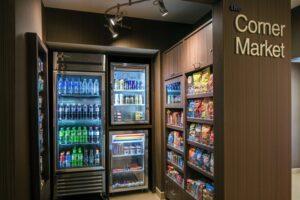
- Cold zone first (drinks, fresh food, protein)
- Snack zone second (chips, bars, candy, better-for-you)
- Essentials last (OTC, personal care, quick meals)
- Checkout at the end with clear instructions and space to bag items
Bullet point rules that prevent chaos:
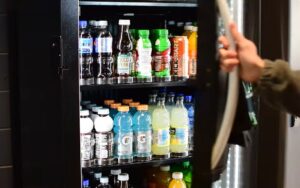
- Put top-selling drinks at eye level, not on the bottom
- Group by need state: “energy,” “hydration,” “meal,” “treat”
- Limit SKUs per category so choices feel easy
- Use one clear price label system, not mixed tags
If your kiosk supports modern self-checkout experiences, it should be intuitive and reliable because that is what employees remember.
Inventory and Restocking: The Par Level Method
Par levels are minimum stock targets. They are how you stop “we are always out of the good stuff.”
Here is the fast method:
- Track weekly unit sales per item (7 days).
- Set par = weekly sales ÷ number of visits per week, plus buffer.
- Restock back to par every visit.
Example:
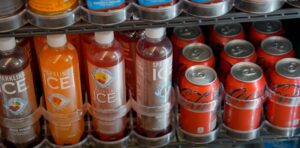
- If a Dallas office sells 48 units of sparkling water per week and you service twice a week, par might be 30 to 35 units so it does not hit zero between visits.
What competitors miss: Out-of-stocks create the illusion of “low demand,” when it is actually “low availability.” Fix availability first, then judge demand.
Fresh Food In a Corporate Micro Market: When It Works and When It Fails
Fresh food is the biggest upside and the fastest way to lose trust if it is not managed tightly.
Fresh food works when you can guarantee:
- Reliable cold holding and consistent rotation
- Clear date checks on every visit
- Tight SKU list with high sell-through
Fresh food fails when:
- Service intervals slip
- Too many slow sellers sit too long
- The cooler becomes a “graveyard” of leftovers
Food safety best practices for retail settings often reference the FDA Food Code as a model for safe handling.
In Texas, food establishment standards are also governed by state rules and local enforcement may be more stringent depending on jurisdiction.
Practical tip:
- Start with a “fresh test set” of 6 to 10 items for 30 days, then expand only if sell-through is strong.
- Workplace food service guidelines can help organizations increase access to healthier foods and beverages.
Payments and Data Security: What Corporate Clients Care About
Most corporate decision-makers ask two questions:
- “Will it work every day?”
- “Is payment data handled safely?”
Payment security standards like PCI DSS exist to protect payment account data and set baseline requirements for secure environments.
What to ask your provider:
- Does the kiosk accept tap and mobile wallets?
- Who handles PCI responsibilities, and what is your role as the location?
- What is the support process when the kiosk goes offline?
Credible references
- National Automatic Merchandising Association micro market overview
- U.S. Food and Drug Administration Food Code 2022
- Texas Department of State Health Services retail food establishment rules info
- Centers for Disease Control and Prevention food service guidelines for worksites
- PCI Security Standards Council PCI DSS overview