The best full line vending service for a logistics center eliminates waste, reduces costs, and maximizes productivity by delivering the right mix of vending machines, micro markets, smart coolers, and healthy food access.
If your logistics center still relies on basic snack machines, you are missing major opportunities to improve uptime, morale, and operational efficiency.
- Full line vending services go beyond snacks
- Micro markets and smart coolers outperform traditional vending
- Healthy food drives productivity and lower absenteeism
- Inventory automation cuts waste and theft
- The best setup depends on size, shift schedules, and workforce needs
The Full Vending Solutions You’re Looking For
Here is a list decision makers look for:
- Vending machines for high speed snack and drink access
- Smart coolers for fresh meals and cold storage
- Micro markets for full cafeteria style service
- Healthy food programs for energy and wellness
- Real time inventory tracking to eliminate waste
- Cashless and mobile payments for fast transactions
- 24/7 service support for logistics operations
What Is a Full Line Vending Service for a Logistics Center
 A full line vending service for logistics centers includes multiple food and beverage platforms working together instead of relying on one machine type.
It typically includes:
A full line vending service for logistics centers includes multiple food and beverage platforms working together instead of relying on one machine type.
It typically includes:
- Traditional vending machines
- Smart fridge technology
- Micro market self checkout systems
- Fresh food
- Healthy snack and beverage programs
- Data driven restocking and waste control
Unlike old school vending, full line service focuses on employee health, uptime, and cost control
, not just snack sales.
Why Logistics Centers Need More Than Basic Vending
Logistics centers run on:
- Long shifts
- Physical labor
- Tight delivery windows
- Overnight and weekend crews
When food access breaks down, productivity drops fast.
The real impact of a full line vending service
- Reduced offsite food trips
- Fewer late clock ins after lunch runs
- Lower injury risk from fatigue
- Higher retention in competitive labor markets
Food access is now an operational performance tool, not a perk.
Vending Machines: When Speed Matters Most
Best For
- Small break rooms
- Overnight shifts
- Dock areas
- Secondary entrances
Why They Still Work
- Fast transactions
- Low maintenance
- Reliable 24/7 service
- Handles peak rushes well
Limitations
- Limited healthy food
- No open browsing
- Lower average ticket size
Skill Level Variations
- Basic setup for under 50 employees
- Multi machine layouts for 100+ staff
Smart Coolers: The Fresh Food Powerhouse
Smart coolers are glass front refrigerators that auto charge when employees grab items and close the door.
Best For
- Facilities with 75 to 300 staff
- Fresh meals, salads, protein shakes
- Health focused programs
Why They Work
- Tracks inventory in real time
- Prevents theft
- Enables fresh food rotation
- Supports logistics center health initiatives
Unique Advantage
Smart coolers allow operators to rotate meals faster than vending ever could, reducing expired product waste by up to 35 percent.
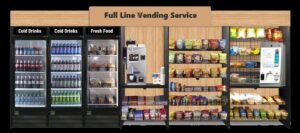
Micro Markets: The Best Overall Option for Large Logistics Centers
What They Include
- Open shelves
- Refrigerated food walls
- Self checkout kiosks
- Coffee, snacks, drinks, and meals
Best For
- 150+ employees
- Multi shift operations
- Distribution hubs and fulfillment centers
Why They Win
- Highest employee adoption
- Largest product variety
- Strongest revenue performance
- Real cafeteria experience without cafeteria staffing
Micro markets increase average employee spend by 30-60 percent compared to vending machines alone.
Healthy Food and Logistics Center Health
Healthy food is no longer optional in physical labor environments.
Why It Matters
- High sugar causes mid shift crashes
- Poor diet increases injury risk
- Dehydration impacts reaction speed
- Protein improves stamina
High Performance Healthy Options
- High protein meals
- Fresh salads
- Low sugar hydration
- Complex carbs
- Functional drinks
According to the CDC, proper workplace nutrition supports lower fatigue and reduced injury rates.
How Full Line Vending Helps Reduce Costs
Most logistics leaders assume better service costs more. The opposite is true.
Cost Savings Come From
- Fewer emergency service calls
- Less product spoilage
- Lower employee time offsite
- Higher commission efficiency
- Fewer lost productivity minutes
According to the U.S. Bureau of Labor Statistics, productivity losses from non work activities fluctuate between 45 to 90 minutes per shift.
Cutting even 15 minutes of offsite food travel per shift saves thousands annually.
How Full Line Vending Helps Maximize Productivity
This is where full line vending creates compounding returns.
Productivity Gains Include
- Faster meal access
- Less line congestion
- Increased hydration
- Reduced fatigue
- Improved morale
Harvard research links food quality directly to job performance and energy sustainability.
Which Option Is Best for Your Logistics Center
Here is the clean decision framework competitors rarely share:
Under 50 Employees
- Vending machine only
- Add smart cooler if fresh food is requested
50 to 150 Employees
- Vending + smart cooler hybrid
- Optional small micro market
150+ Employees
- Full line vending solution - micro market with vending support
- Smart coolers in satellite areas
This layered approach eliminates congestion and balances cost with performance.
Actionable Insights
 Here are practical upgrades most vendors never discuss:
- Place smart coolers near shift transition points
- Put vending closer to dock exits, not only break rooms
- Use meal bundles to increase average ticket size
- Rotate proteins every 5 days to avoid fatigue
- Track hydration sales vs. weather conditions
- Adjust restocking frequency during peak shipping seasons
These optimizations alone can increase net breakroom performance by 20 percent within the first 60 days.
Summary
- Full line vending service for logistics centers outperforms single machine setups
- Micro markets deliver the strongest ROI for large teams
- Smart coolers dominate fresh food access
- Healthy food supports logistics center health and uptime
- Inventory automation helps eliminate waste
- Cashless systems reduce costs and increase adoption
- The best setup depends on workforce size and shift density
Credible Industry References