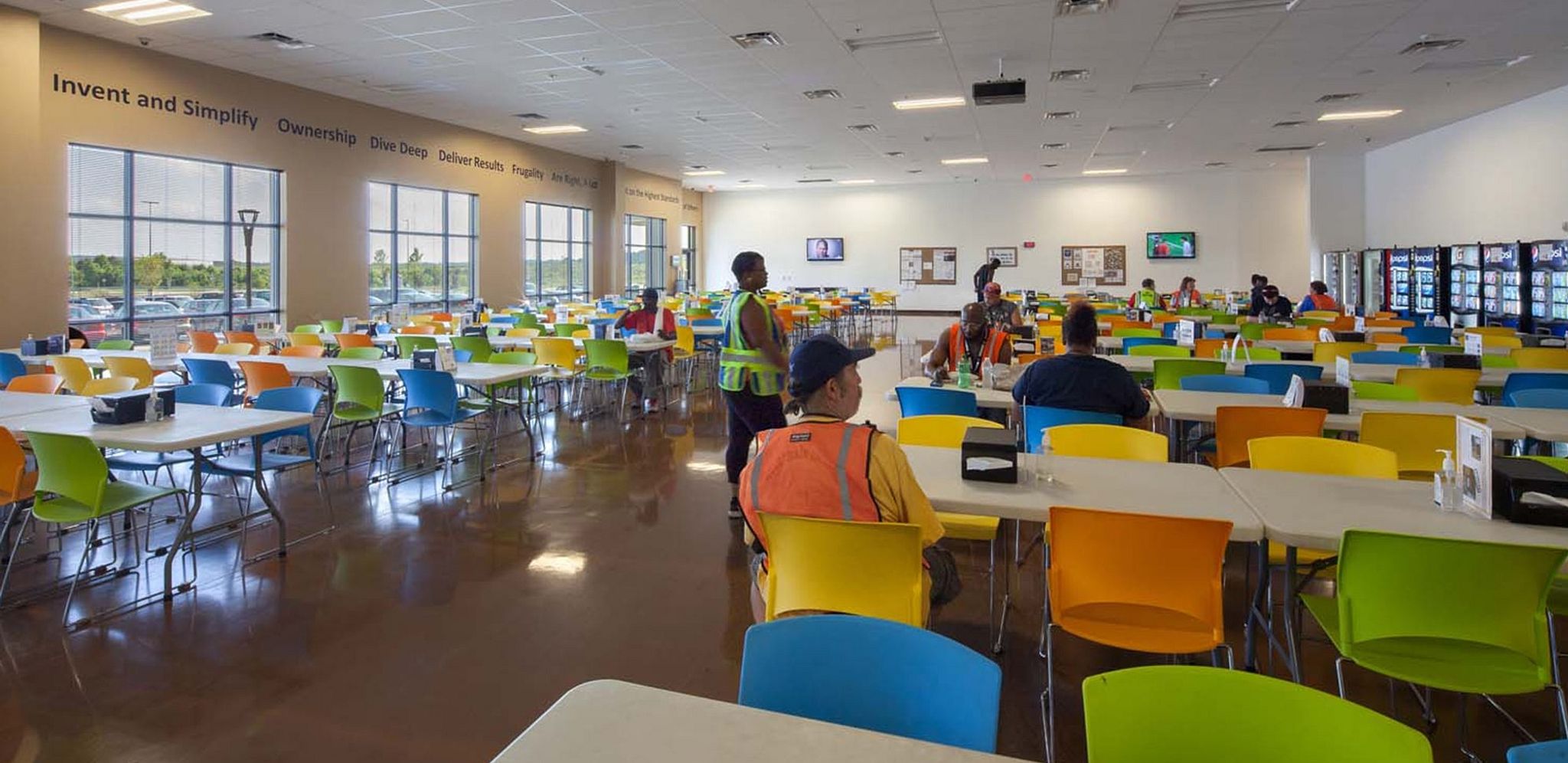
amazon warehouse breakroom, dc sample

Why Distribution Centers Need Full-Line Vending Services for 24/7 Operations

Full-line vending services are one of the most effective ways to keep distribution center teams energized, productive, and satisfied. These facilities move fast, operate around the clock, and rely heavily on efficiency. When employees do not have convenient access to food, drinks, or fresh meals, productivity and morale can drop. Full-line vending solves this challenge by creating an accessible, reliable, and self-sustaining food ecosystem right inside the warehouse.

As someone who works closely with distribution centers, vendors, and facility managers, I often recommend full-line vending as a cost-effective workforce support solution. Below is a detailed guide on how it works, why it matters, and how to set up a system that truly benefits your operation.


Why Distribution Centers Benefit From Full-Line Vending

Distribution centers operate in a high-pressure, high-movement environment. Employees perform physical work, handle time-sensitive tasks, and often have limited opportunity to step off the property during breaks. Restaurants may be too far away, and leaving the workplace can easily turn a short break into a long delay. This is where a full-line vending setup becomes essential.

Full-line vending creates a controlled, on-site food source that workers can rely on at any time. It supports productivity, reduces downtime, and improves employee satisfaction across all shifts.
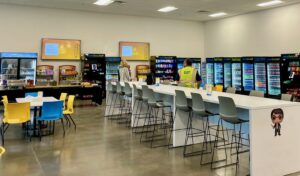
 

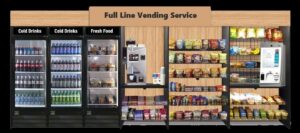
distribution center full line vending

What Full-Line Vending Includes

To build an effective vending program, it is important to understand what a true full-line setup offers. It should provide a range of food and beverage options designed to meet the needs of different employees and different times of day.

Snack Machines

The goal is to offer a balanced mix of high-demand items. Popular choices include chips, candy bars, cookies, nuts, trail mixes, protein bars, and baked snacks. Distribution center employees often prefer higher calorie and high-protein snacks to support long and physically demanding shifts.

Beverage Machines

Water, sodas, electrolyte drinks, and energy drinks are essential in warehouse environments, especially in hot months when hydration becomes a major concern. Modern beverage machines also maintain consistent temperatures, which helps keep drinks refreshing even during frequent use.

Fresh Food Machines

Fresh food options deliver the biggest impact in distribution centers because many employees work extended shifts. These machines carry items like sandwiches, salads, wraps, breakfast burritos, and microwaveable meals. Providing real meals on-site greatly reduces the need for employees to leave the facility.

Coffee and Hot Beverage Machines

Early morning, overnight, and long shifts all create a constant need for coffee. A reliable coffee machine can significantly improve employee comfort and energy levels. Options may include brewed coffee, cappuccinos, hot chocolate, and specialty blends depending on the equipment selected.

Smart Coolers and Micro Markets

Many distribution centers now choose smart coolers or micro markets for higher traffic areas. Smart coolers track items using advanced sensors and automatically bill customers when they remove products. Micro markets operate like small self-checkout convenience stores with refrigerated and shelf-stable options. These systems provide wider variety and better flexibility for large facilities.


How to Choose the Right Vending Setup for Your Facility
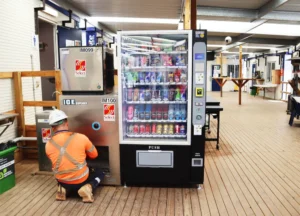
vending machine at construction site or distribution center

Choosing the right equipment mix depends on workforce size, facility layout, and shift patterns. Below are general guidelines I often give to distribution centers when beginning a vending program.

  • Workforce Size
  • Under 40 employees per shift: A simple snack and beverage combination machine can be sufficient.
    40 to 75 employees per shift: A full-line setup with snack, beverage, and fresh food machines is recommended.
    More than 75 employees per shift: Consider a micro market or smart cooler system to support volume, variety, and 24-hour access.
  • Shift Structure
  • Distribution centers that run multiple shifts or operate around the clock require more frequent restocking. Weekly service is the minimum recommendation, although high-traffic locations often require twice-per-week service, especially during peak seasons.
  • Foot Traffic
  • The success of a vending program depends heavily on placement. Look for areas where employees consistently gather. Common high-traffic points include breakrooms, driver lounges, near time clocks, and close to main walkways. The location should comfortably support at least 50 people per shift for optimal performance.
  • Handling Temperature and Product Safety

A common question facility managers ask is whether drinks and snacks can be stored together in a cooler. The short answer is yes. Modern vending coolers are engineered to manage moisture and airflow. Temperatures typically range from 34 to 40 degrees, which is safe for drinks and does not damage sealed snacks. Packaged snacks are designed to withstand humidity changes, and coolers are opened only briefly, preventing any significant moisture exposure.

Many distribution centers already use smart coolers stocked with protein bars, sandwiches, bottled drinks, and a variety of snacks. Even in high-traffic environments where the cooler door opens hundreds of times per day, product integrity remains intact.


Expert Tips for Improving Vending Performance in Distribution Centers

Over time, several patterns emerge in successful vending programs. These insights can help you optimize your own setup.

  • Evaluate Your Location Before Installation –Foot traffic matters. Placing machines in a low-visibility corner will reduce sales and increase waste. Position them where employees already pass through or naturally gather.
  • Review Product Performance Every 30 to 60 Days-Track which items sell quickly and which do not. Seasonal changes also affect demand. For example, hydration drinks sell heavily in summer, while coffee and warm meal options are more popular in winter or overnight shifts.
  • Offer Healthier and Inclusive Alternatives-A diverse workforce means diverse preferences. It is wise to include gluten-free, low-sugar, dairy-free, or halal-friendly items when possible.
  • Provide Multiple Payment Methods-Cashless payments have become the standard in distribution centers. Ensure machines accept cards, tap-to-pay, and mobile payments such as Apple Pay and Google Wallet. This improves convenience and boosts sales.
  • Maintain Consistent Service Schedules- A vending program should be reliable. Empty machines frustrate employees and reduce workplace satisfaction. Work with a vendor who provides dependable restocking service and proactive maintenance.

Conclusion
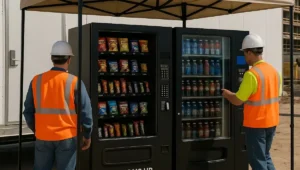
distribution center vending service

Full-line vending services are an valuable addition to any distribution center. They improve convenience, support employee well-being, and reduce productivity loss caused by off-site food trips. By selecting the right equipment mix, positioning machines strategically, and offering a thoughtful product selection, you can create a vending setup that serves your team effectively across all shifts.

Distribution centers thrive on speed, consistency, and efficiency. A well-designed full-line vending program aligns perfectly with these goals and delivers benefits to both management and employees.


Compliance, Safety, and Regulations

Here are credible sources offering guidelines relevant to vending operations:

These support safe handling, stocking, and operation of food-service equipment.

  1. OSHA Break Regulations
  2. USDA Food Safety Guidelines
  3. FDA Food Code
  4. CDC Workplace Health Recommendations
  5. IFMA Facility Management Best Practices
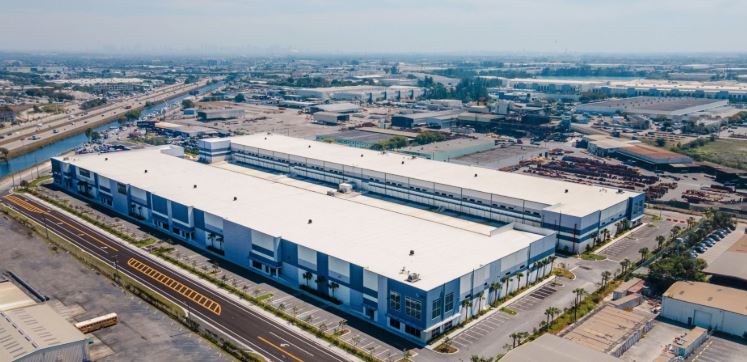
 

Logistics Center Building Design

Full Line Vending Service for Logistics Centers

The best full line vending service for a logistics center eliminates waste, reduces costs, and maximizes productivity by delivering the right mix of vending machines, micro markets, smart coolers, and healthy food access. 

If your logistics center still relies on basic snack machines, you are missing major opportunities to improve uptime, morale, and operational efficiency.

  • Full line vending services go beyond snacks
  • Micro markets and smart coolers outperform traditional vending
  • Healthy food drives productivity and lower absenteeism
  • Inventory automation cuts waste and theft
  • The best setup depends on size, shift schedules, and workforce needs

The Full Vending Solutions You’re Looking For

Here is a list decision makers look for:

  1. Vending machines for high speed snack and drink access
  2. Smart coolers for fresh meals and cold storage
  3. Micro markets for full cafeteria style service
  4. Healthy food programs for energy and wellness
  5. Real time inventory tracking to eliminate waste
  6. Cashless and mobile payments for fast transactions
  7. 24/7 service support for logistics operations

What Is a Full Line Vending Service for a Logistics Center

workers on break

A full line vending service for logistics centers includes multiple food and beverage platforms working together instead of relying on one machine type.

It typically includes:

  • Traditional vending machines
  • Smart fridge technology
  • Micro market self checkout systems
  • Fresh food 
  • Healthy snack and beverage programs
  • Data driven restocking and waste control

Unlike old school vending, full line service focuses on employee health, uptime, and cost control, not just snack sales.

Why Logistics Centers Need More Than Basic Vending

Logistics centers run on:

  • Long shifts
  • Physical labor
  • Tight delivery windows
  • Overnight and weekend crews

When food access breaks down, productivity drops fast.

The real impact of a full line vending service

  • Reduced offsite food trips
  • Fewer late clock ins after lunch runs
  • Lower injury risk from fatigue
  • Higher retention in competitive labor markets

Food access is now an operational performance tool, not a perk.


Vending Machines: When Speed Matters Most

Best For

  • Small break rooms
  • Overnight shifts
  • Dock areas
  • Secondary entrances

Why They Still Work

  • Fast transactions
  • Low maintenance
  • Reliable 24/7 service
  • Handles peak rushes well

Limitations

  • Limited healthy food
  • No open browsing
  • Lower average ticket size

Skill Level Variations

  • Basic setup for under 50 employees
  • Multi machine layouts for 100+ staff

Smart Coolers: The Fresh Food Powerhouse

Smart coolers are glass front refrigerators that auto charge when employees grab items and close the door.

Best For

  • Facilities with 75 to 300 staff
  • Fresh meals, salads, protein shakes
  • Health focused programs

Why They Work

  • Tracks inventory in real time
  • Prevents theft
  • Enables fresh food rotation
  • Supports logistics center health initiatives

Unique Advantage

Smart coolers allow operators to rotate meals faster than vending ever could, reducing expired product waste by up to 35 percent.

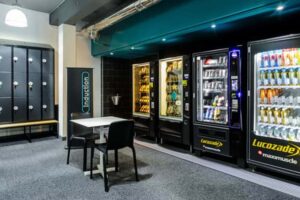
full vending service set up

Micro Markets: The Best Overall Option for Large Logistics Centers

What They Include

  • Open shelves
  • Refrigerated food walls
  • Self checkout kiosks
  • Coffee, snacks, drinks, and meals

Best For

  • 150+ employees
  • Multi shift operations
  • Distribution hubs and fulfillment centers

Why They Win

  • Highest employee adoption
  • Largest product variety
  • Strongest revenue performance
  • Real cafeteria experience without cafeteria staffing

Micro markets increase average employee spend by 30-60 percent compared to vending machines alone.


Healthy Food and Logistics Center Health

Healthy food is no longer optional in physical labor environments.

Why It Matters

  • High sugar causes mid shift crashes
  • Poor diet increases injury risk
  • Dehydration impacts reaction speed
  • Protein improves stamina

High Performance Healthy Options

  • High protein meals
  • Fresh salads
  • Low sugar hydration
  • Complex carbs
  • Functional drinks

According to the CDC, proper workplace nutrition supports lower fatigue and reduced injury rates.


How Full Line Vending Helps Reduce Costs

Most logistics leaders assume better service costs more. The opposite is true.

Cost Savings Come From

  • Fewer emergency service calls
  • Less product spoilage
  • Lower employee time offsite
  • Higher commission efficiency
  • Fewer lost productivity minutes

According to the U.S. Bureau of Labor Statistics, productivity losses from non work activities fluctuate between 45 to 90 minutes per shift.
Cutting even 15 minutes of offsite food travel per shift saves thousands annually.

How Full Line Vending Helps Maximize Productivity

This is where full line vending creates compounding returns.

Productivity Gains Include

  • Faster meal access
  • Less line congestion
  • Increased hydration
  • Reduced fatigue
  • Improved morale

Harvard research links food quality directly to job performance and energy sustainability.


Which Option Is Best for Your Logistics Center

Here is the clean decision framework competitors rarely share:

Under 50 Employees

  • Vending machine only
  • Add smart cooler if fresh food is requested

50 to 150 Employees

  • Vending + smart cooler hybrid
  • Optional small micro market

150+ Employees

  • Full line vending solution –  micro market with vending support
  • Smart coolers in satellite areas

This layered approach eliminates congestion and balances cost with performance.


Actionable Insights

workers on break

Here are practical upgrades most vendors never discuss:

  • Place smart coolers near shift transition points
  • Put vending closer to dock exits, not only break rooms
  • Use meal bundles to increase average ticket size
  • Rotate proteins every 5 days to avoid fatigue
  • Track hydration sales vs. weather conditions
  • Adjust restocking frequency during peak shipping seasons

These optimizations alone can increase net breakroom performance by 20 percent within the first 60 days.

Summary

  • Full line vending service for logistics centers outperforms single machine setups
  • Micro markets deliver the strongest ROI for large teams
  • Smart coolers dominate fresh food access
  • Healthy food supports logistics center health and uptime
  • Inventory automation helps eliminate waste
  • Cashless systems reduce costs and increase adoption
  • The best setup depends on workforce size and shift density


Credible Industry References


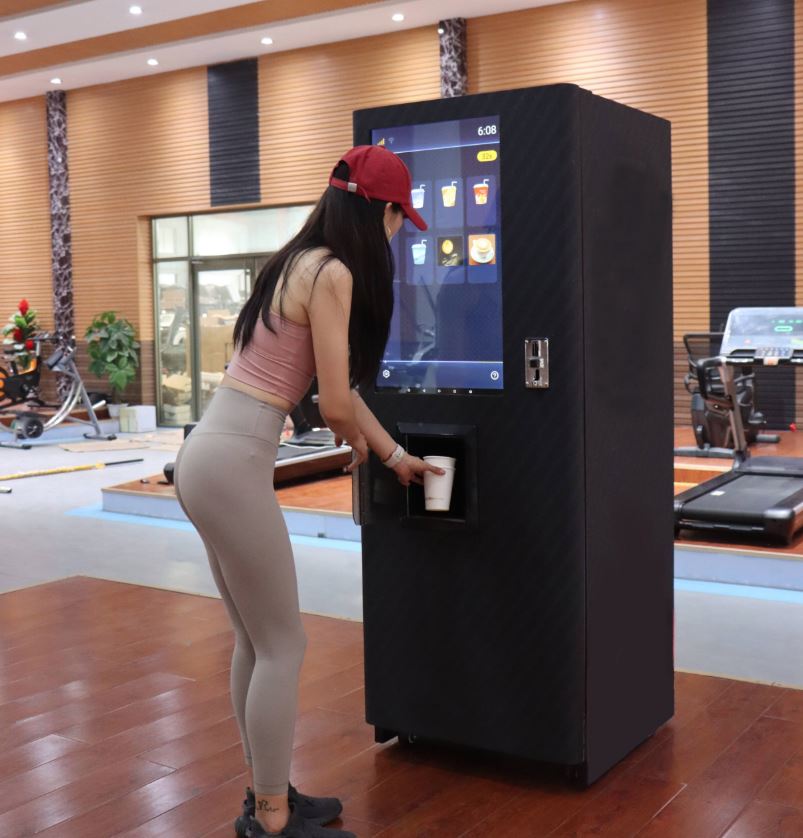
getting hydration vending at the gym

Why Gyms Need Full Line Vending Service

Fueling Members With the Right Energy at the Right Time

Full line vending services give gyms access to fresh snacks, drinks, supplements, meals, and the convenience members need before or after a workout. The right gym vending solution improves member satisfaction, boosts energy, and increases revenue for fitness centers of all sizes.

Modern gyms are not just places to exercise. They are lifestyle hubs where people expect convenience, variety, and wellness oriented options. Full line vending is the easiest way to meet those expectations without adding staff. Smart coolers, micro markets, and fitness vending machines help members refuel instantly while keeping operations smooth for gym owners.


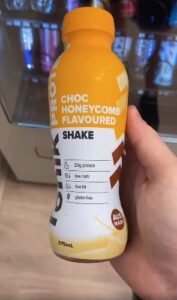
protein shake from a vending

What Gyms Need Most in a Vending Setup

  • High protein snacks
  • Clean hydration and electrolyte drinks
  • Fresh meals for pre or post workout
  • Smoothie and shake alternatives
  • Glass front coolers
  • Touchless and fast payment
  • UV sanitation features for cleanliness
  • 24 hour access

 Members want quick access to beverages at the gym and simple ways to refuel without leaving the building.

Best Vending Options for Gyms

1. Smart Coolers

Best for: Gyms with high traffic or long peak hours
Why it works:

  • Members see everything clearly
  • Fresh meals boost protein and recovery
    Variation: Rotate seasonal meals based on member goals like cutting, bulking, or endurance training.

2. Protein Snack Machines

Best for: Strength training gyms, CrossFit boxes, combat sports facilities
Why it works:

  • Bodybuilders and athletes buy high protein snacks more often
    Variation: Add creatine gummies or collagen bars around competition season.

3. Recovery Drink Coolers

Best for: All gyms
Why it works:

  • Hydration supports performance
  • Drinks sell well after cardio workouts
    Variation: Add energy drinks for morning classes and electrolyte drinks for evening classes.

4. Micro Market

Best for: Gyms over 10,000 square feet or multi service fitness centers
Why it works:

  • Expands beyond vending
  • Offers salads, wraps, fruit cups, and specialty drinks
    Variation: Add a smoothie bowl section with pre made options.

5. Hydration Stations

Best for: Gyms that want to reduce plastic waste
Why it works:

  • Encourages bottle refills
  • Supports member wellness goals
    Variation: Offer flavored water or sparkling options.

6. Coffee Station

Best for: Early morning members
Why it works:

  • Caffeine improves performance
  • Increases dwell time and sense of community
    Variation: Add seasonal flavors or sugar free syrups.

Why Gyms Benefit From Full Line Vending

1. Improved Member Experience

Members do not want to leave the gym to refuel. Convenience keeps them on site.

2. Increased Revenue

Impulse purchases at check in and check out boost cash flow.

3. Support for Nutritional Goals

Members trust gyms to guide their wellness choices.

4. Better Time Management

Vending reduces the line at smoothie counters on busy days.

5. Healthier Culture

Snacks and drinks support recovery and reduce post workout crashes.


Benefits at a Glance

  • Members refuel faster
  • Gyms earn passive income
  • Cleaner break areas
  • Better nutrition for members
  • Safe and hygienic equipment
  • Perfect for 24 hour gyms


Most Competitors Gatekeep

1. Evening Classes Buy More Protein

Evening customers burn more calories and crave protein on their drive home.

2. Morning Members Buy Caffeinated Drinks

Caffeine is a top performing category among early risers.

3. Cardio Users Buy Hydration Drinks

Treadmill and HIIT users seek electrolytes more than weightlifters.

4. Smart Coolers Outperform Traditional Vending

Clear visibility increases confidence and purchase frequency.

5. Cleanliness Matters More in Gyms

Members value UV sanitation as part of their hygiene expectations.

man eating granola bar from a vending

Which Setup Is Best for Your Gym Size

Small Gyms (Under 200 members)

  • Single snack and drink machine
  • Small protein selection
  • Hydration station

Medium Gyms (200 to 800 members)

  • Smart cooler
  • Recovery beverage cooler
  • Protein snack machine
  • Coffee station

Large Gyms and Fitness Centers

  • Full micro market
  • Multiple coolers
  • Pre workout and post workout zones
  • Expanded healthy food options

Practical Tips Gyms Should Use

1. Place coolers near the exit

Members grab recovery drinks on their way out.

2. Add pre workout drinks near weight areas

Bodybuilders buy more stimulants.

3. Stock both low calorie and high calorie items

Different goals require different fuel.

4. Promote items through personal trainers

Trainer recommendations increase purchases.

5. Change product mix monthly

Keeps members coming back and boosts curiosity.


Conclusion

Full line vending services give gyms the perfect balance of convenience, health, and automation. By offering protein rich snacks, ready meals, hydration, and safe vending with UV sanitation, fitness centers provide value that members immediately appreciate. A well designed gym vending solution increases satisfaction, builds community, and keeps revenue flowing without extra staff.


Other Full-Line Vending Industries:


References

  1. https://www.cdc.gov
  2. https://www.healthline.com
  3. https://www.acefitness.org
  4. https://www.mayoclinic.org
  5. https://www.shape.com