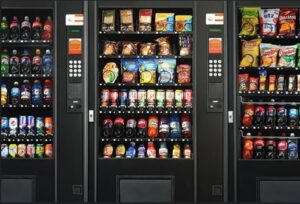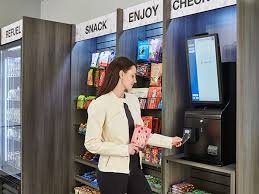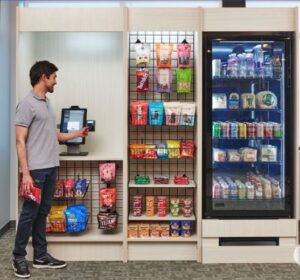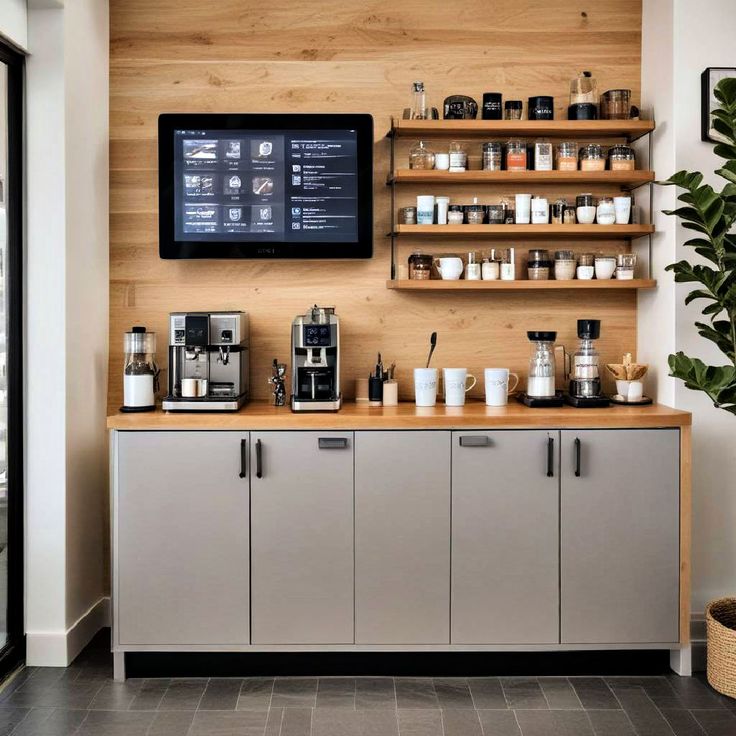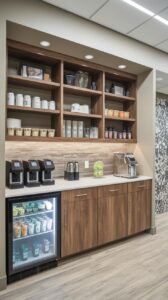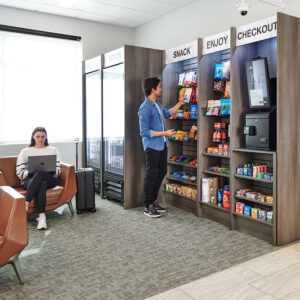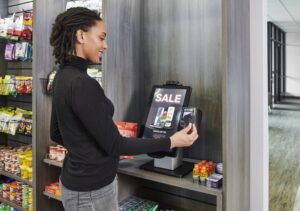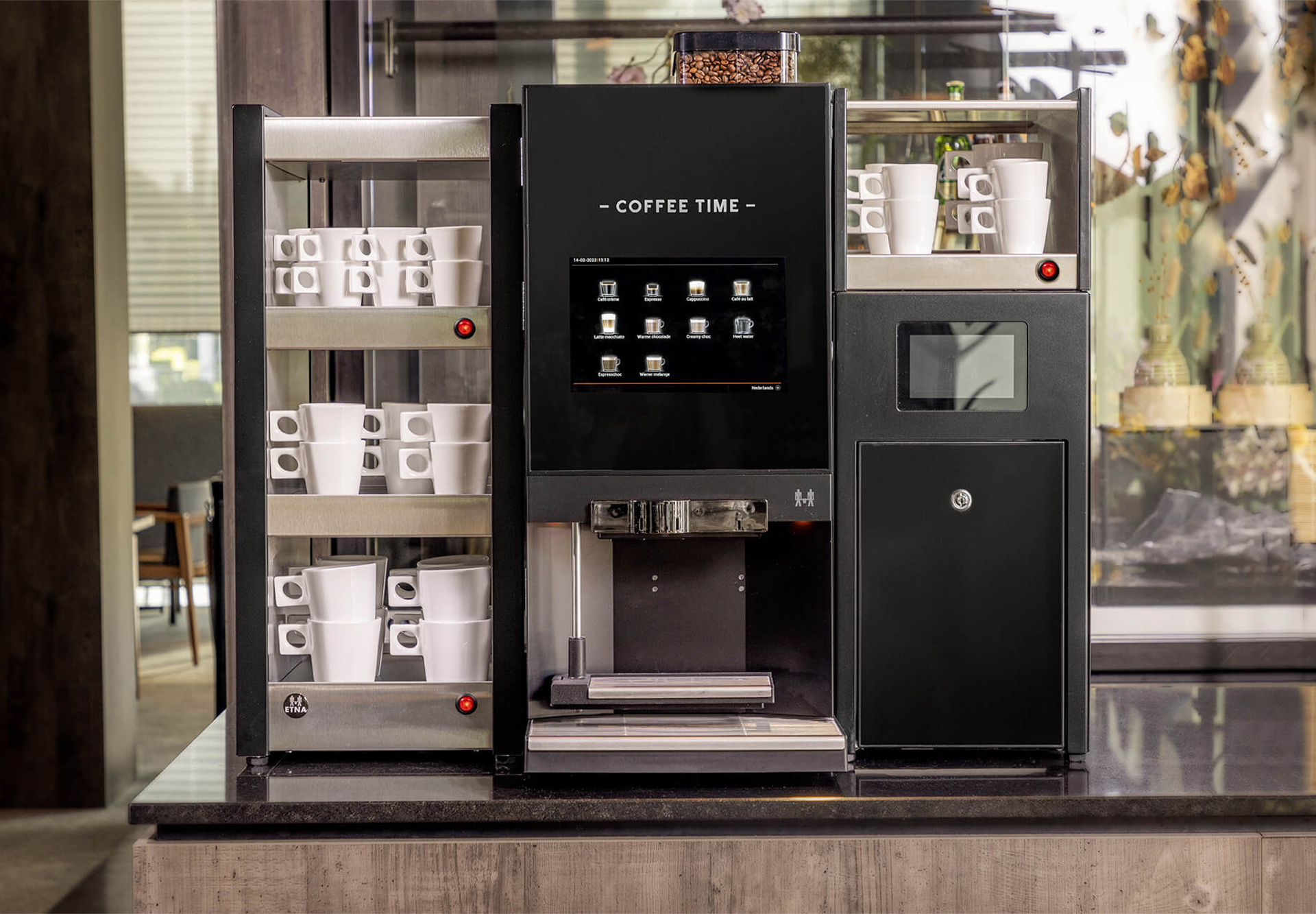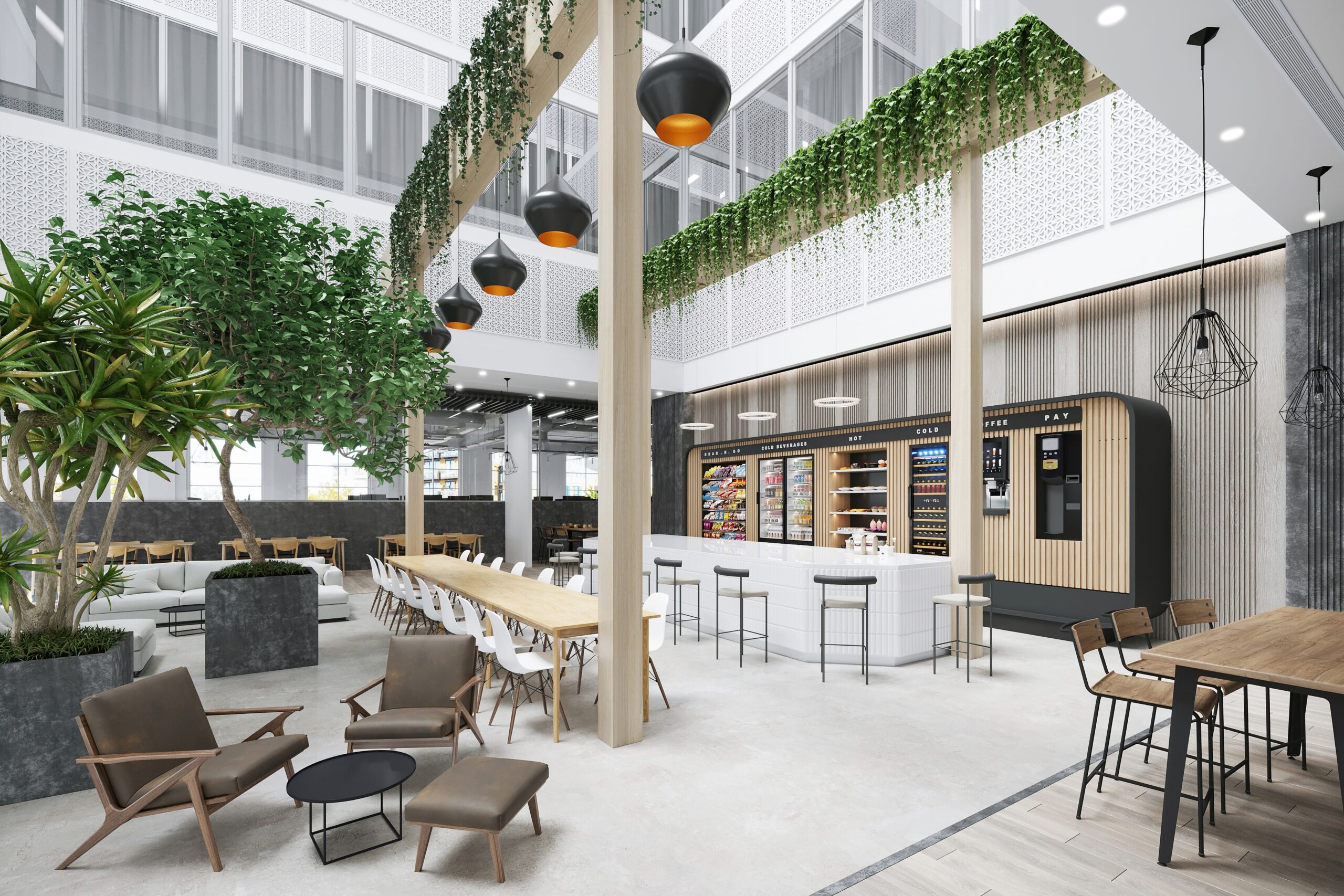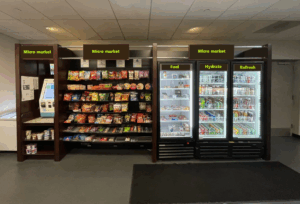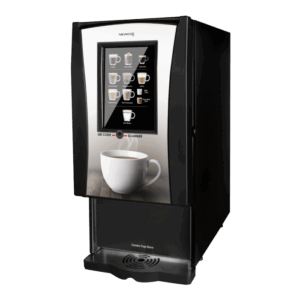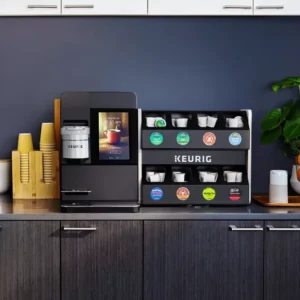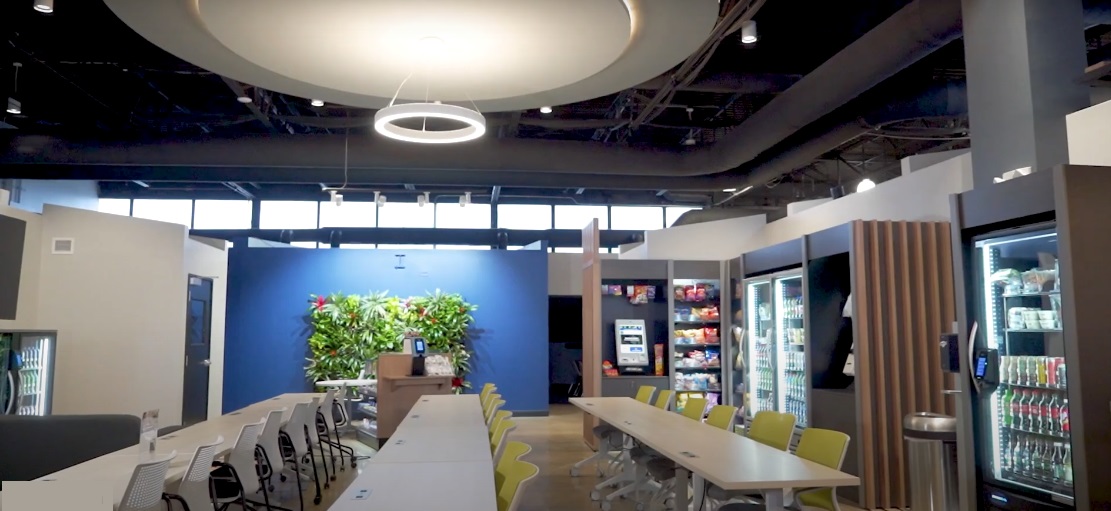
a full micro market set up

Choosing the Right Kiosk for Your Micro Market: A Complete Guide

The best kiosk for your micro market depends on your location size, traffic, and employee habits and even where you plan to place it: floor-standing, countertop or on a sturdy kitchen countertop in the breakroom.  Look for a system that’s fast, intuitive, and integrates payment, security, and inventory tracking. Smart kiosks like 365 PicoCooler, Delio Smart Market Kiosk and Yoke POS are leading choices for small to mid-sized workplaces.

What Is a Micro Market Kiosk and Why Does It Matter?

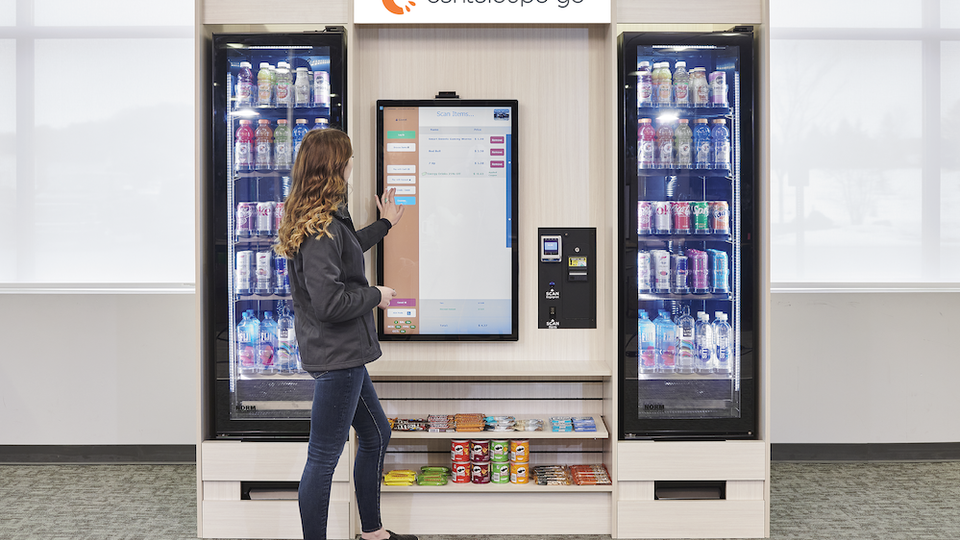
A micro market kiosk is the self-checkout hub where customers scan, pay, and finalize purchases. It’s essentially the “cashier” of your unattended market, managing everything from transactions to product tracking.

Why It’s Crucial

Your kiosk experience determines how easy it is for employees to shop. A confusing or slow kiosk can lower sales and frustrate users, even if the products are great.
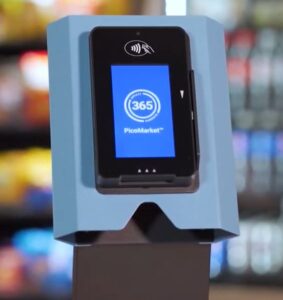
pico cooler tap and go

Key Features Every Good Kiosk Should Have

  • Fast checkout process (tap, scan, and go)

  • Multiple payment methods (card, mobile wallet, fingerprint, or facial recognition)

  • Remote monitoring and restock alerts

  • Loyalty and rewards program integration

  • Easy interface for non-tech-savvy users

Example:

At a warehouse in Dallas, switching from a tablet-based checkout to a full touchscreen kiosk increased average daily transactions by 27% and cut checkout time in half.


What to Look for When Selecting a Micro Market Kiosk

Choose a kiosk that matches your location’s size, traffic, and budget — while providing a seamless user experience and secure payment integration.

Step-by-Step Decision Guide

  1. Evaluate Your Market Size

    • Under 75 employees → compact kiosk or smart cooler with built-in kiosk.

    • 75–250 employees → mid-size touchscreen kiosk with camera and payment options.

    • 250+ employees → dual kiosk setup for high traffic and fast checkout.

  2. Consider Your Location Type

    • Office or corporate site: sleek design, integrated loyalty programs.

    • Warehouse or factory: rugged screen, minimal maintenance.

    • Public access areas: enhanced security and cashless-only systems.

  3. Check Compatibility

    • Syncs with your vending or POS software (e.g., 365, Cantaloupe, Nayax).

    • Connects with your inventory and telemetry systems for live tracking.

  4. Prioritize Ease of Use

    • Intuitive layout with clear product categories.

    • Visual prompts and touchscreen responsiveness.

  5. Assess Security

    • Built-in camera or RFID sensor to prevent theft.

    • Data encryption for payments and transactions.

Which Kiosk Systems Are Best for Micro Markets?

The top-performing kiosks balance functionality, speed, and service support. Below are the most reliable options based on real-world performance in U.S. workplaces.
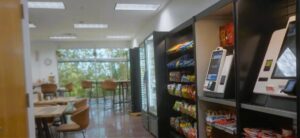
micromarket set up

1. 365 PicoCooler

  • Best for small spaces or low-traffic locations.

  • Combines a cooler with built-in smart kiosk using AI vision technology.

  • Allows open-door shopping — scans items automatically.

  • Works perfectly for offices with 25–80 users.

Why It’s Great:
It uses advanced product recognition and integrates seamlessly with the 365 Markets ecosystem for real-time analytics.

2. Yoke POS (by Cantaloupe)

  • A tablet-based kiosk system that’s affordable and flexible.

  • Integrates with coolers, freezers, and open-shelf markets.

  • Accepts credit, debit, and mobile payments.

  • Cloud-based dashboard with live reporting.

Best For:
Small businesses that want to test a micro market concept before scaling up.

3. Cantaloupe Smart Café

  • Designed for enterprise-level markets with high transaction volumes.

  • Integrates with Cantaloupe’s Seed platform for detailed sales analytics.

  • Includes touchscreen interface, camera verification, and loyalty programs.

Why It Stands Out:Its data-driven design helps operators reduce waste, track profitability, and plan smarter product rotations.

4. Delio Smart Market Kiosk

  • Designed specifically for Texas workplaces that want a clean, reliable, and fast self-checkout experience.

  • Integrates  seamlessly with Delio’s live monitoring system, allowing instant restock alerts, real-time sales data, and transaction tracking.

  • Features a touchscreen interface, contactless payment options, and built-in employee purchase accounts for convenience

Why It Stands Out:
Delio’s Smart Market Kiosk is engineered for performance and simplicity. It gives both operators and clients total visibility into product movement, reduces downtime through automated alerts, and makes every transaction seamless,  helping businesses run smoother, save time, and create a better breakroom experience.


Why the Right Kiosk Improves Sales and Experience

A well-chosen kiosk creates a smooth shopping experience, leading to more frequent purchases and happier employees.
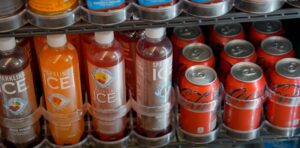
drinks from a pico 365 smart cooler

How It Boosts Performance

  • Faster checkout: Shorter lines, more convenience.

  • Fewer errors: Accurate inventory and pricing updates.

  • Higher trust: Employees feel safe using secure payment systems.

  • Better data: Operators know what sells and when to restock.


Real-World Example

A corporate office in Frisco replaced their old kiosk with a new Cantaloupe system. The result:

  • 35% increase in snack sales.

  • 50% fewer user errors.

  • Employees started using the loyalty app for meal credits, creating recurring daily use.


How to Maintain and Monitor Your Micro Market Kiosk

Regular software updates, data monitoring, and employee feedback keep your kiosk running smoothly and your market profitable.

Actionable Maintenance Tips

  1. Perform weekly checkups: Ensure scanner and screen are clean and responsive.

  2. Monitor data remotely: Track low stock and popular items in real time.

  3. Update software monthly: Prevent glitches and enhance payment security.

  4. Rotate products quarterly: Keep offerings fresh and relevant.

  5. Encourage feedback: Ask users for suggestions to improve checkout speed or design.

Pro Insight:
Some operators forget to clean scanner glass regularly — a simple 30-second task that prevents countless failed scans and frustrated users.

Common Questions on Choosing Micro Market Kiosks

Q1. What’s the difference between a smart cooler and a kiosk?

A smart cooler has a built-in checkout system with automatic item recognition, while a kiosk is a separate self-checkout station for open-shelf markets.

Q2. Do I need multiple kiosks?

For markets with 200+ users or high traffic, two kiosks reduce wait times and prevent downtime during maintenance.

Q3. Are kiosks secure for unattended environments?

Yes — most include cameras, purchase tracking, and real-time alerts to detect theft or errors.

Q4. Can kiosks accept cash?

Many modern systems are cashless, though hybrid models exist for factories or public spaces.

Q5. How much do kiosks cost?

Expect to pay between $2,000–$5,000 depending on features and integration. Some vending providers offer kiosks as part of a service package with no upfront cost.

Q6. How do I train employees to use the kiosk?

Simple one-page guides or 2-minute tutorials usually suffice. Most kiosks have on-screen prompts for first-time users.

Final Thoughts: Make the Kiosk Your Market’s Heartbeat

Your kiosk is the command center of your micro market.  it controls flow, drives sales, and shapes how people perceive your brand.
If you’re setting up your first market, start with a system that’s:
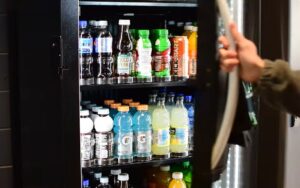
smart cooler drinks

  • Reliable and user-friendly

  • Backed by responsive support

  • Integrated with your vending software

Whether you’re managing a 30-person office or a 300-employee facility, the right kiosk is not just hardware, it’s the key to a seamless breakroom experience that runs itself.

Key Takeaways

  • Match kiosk type to your space and employee count.

  • Prioritize ease of use, security, and payment flexibility.

  • Choose vendors with proven uptime and customer support.

  • Use data analytics to continuously optimize performance.

  • Don’t overlook training, cleaning, and maintenance for long-term success.
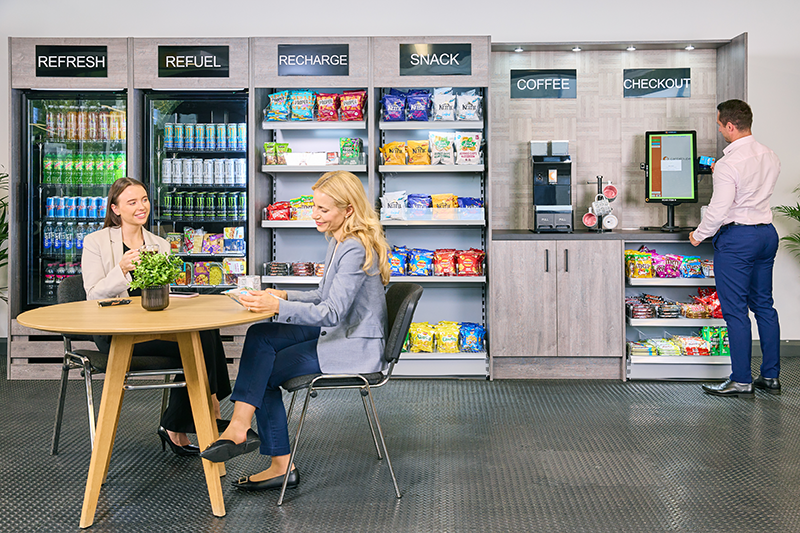
micro market office service

How Small Businesses Can Benefit from Modern Vending Services

Vending services make it easy for small businesses to offer snacks, drinks, or even fresh meals on-site,  without managing inventory or maintenance. By partnering with a reliable vending provider, you can reduce downtime, improve productivity, and create a more enjoyable workplace experience for your team.

What Are Vending Services for Small Businesses?

Vending services are full-service refreshment programs where a provider installs, stocks, and maintains vending machines or micro markets at your workplace, at little or no cost to you.

Why They Matter

Small businesses often skip vending because they assume it’s only for big corporations. But in reality, vending has evolved far beyond old snack machines. Modern systems now feature:

  • Cashless payments (Apple Pay, Google Pay, tap-to-pay)

  • Smart coolers that detect products automatically

  • Healthy, fresh, and local food options

  • Real-time inventory monitoring

That means even a 20-person office can enjoy the same level of convenience as a Fortune 500 company, without lifting a finger.

Why Should Small Businesses Offer Vending?

Because convenience directly improves morale, focus, and company culture, and vending delivers all three.

The Big Benefits

  1. Saves Time

    • Reduces long lunch breaks and off-site coffee runs.

    • Keeps employees on-site and focused.

  2. Improves Employee Retention

    • Small perks like snacks and beverages boost loyalty.

    • Employees feel valued and cared for.

  3. Increases Productivity

    • Hydrated, energized workers make better decisions.

    • Easy access to food prevents mid-day slumps.

  4. Cost-Effective Solution

    • No staffing or management required. 

    • Providers handle restocking and repairs at no charge.

  5. Promotes Wellness

    • Choose nutritious options to support a healthy workplace.

    • Many vending companies now offer low-sugar and high-protein items.


How Do Vending Services Work?

snacks and drinks vending machines

It’s a simple partnership,  the provider installs machines, keeps them stocked, and maintains them regularly.

Typical Process

  1. Consultation: The vendor reviews your location and traffic flow.

  2. Setup: They deliver and install the machines (usually free).

  3. Stocking: Items are chosen based on employee preferences.

  4. Monitoring: Modern systems report inventory automatically.

  5. Maintenance: The vendor handles cleaning, repairs, and refills.

Pro Tip: Most vending companies require only 25–30 daily transactions to make a location profitable, which makes it easy for small workplaces to qualify for free service.


What Type of Vending Machines Work Best for Small Businesses?

For small teams, compact and versatile machines deliver the best balance between space, variety, and cost.

Top Options

  1. Combo Machines:

    • Dispense both snacks and drinks.

    • Great for offices with under 75 employees.

  2. Smart Coolers: 

    • Use AI to identify what’s taken from the fridge.

    • Perfect for gyms, offices, and shared workspaces.

  3. Coffee Vending Machines:

    • Brew café-quality drinks on demand.

    • Ideal for breakrooms with high coffee consumption.

  4. Micro Markets:

    • Open-shelf system with a self-checkout kiosk.

    • Best for offices with 100+ employees.

Example:
A small marketing firm in McKinney switched from bottled drink delivery to a smart cooler system. Result: 40% lower beverage costs and a cleaner breakroom with no recycling overflow.


How to Choose the Right Vending Partner

small office micro market

Look for transparency, technology, and flexibility,  not just the lowest commission rate.

Checklist Before You Sign

  • Transparent terms: No hidden fees or long-term lock-ins.

  • Flexible restocking schedule: Weekly or more often if needed.

  • Modern payment options: Mobile wallets, cards, and employee IDs.

  • Healthy selection: Meets your team’s wellness goals.

  • Fast response time: Service calls should be handled within 24 hours.

  • Local presence: Regional operators often provide faster support.

Actionable Tip

Ask your vendor for a one-month trial. This allows you to see which products sell best before finalizing your lineup.

Pro Insight:
Many small businesses mistakenly choose national vending companies. Local providers usually deliver faster service, more custom menus, and better accountability.

What Are the Costs Involved?

In most cases, vending services are free for small businesses. You only pay if you want to subsidize or offer free items.

Cost Breakdown

  • Zero-Cost Model:
    The vendor covers installation and service; employees pay per item.

  • Subsidized Model:
    The business partially covers product costs to lower employee prices.

  • Free Vend Model:
    All items are complimentary for staff,  ideal for high-end offices.

Example:  A small law firm in Plano uses a hybrid system,  the company pays for coffee and fresh fruit, but employees buy snacks and energy drinks. This creates a balance between generosity and cost control.


How to Maximize ROI from Your Vending Service

micro market with self check out kiost

Treat vending as part of your company culture, not just a convenience.

Strategies to Increase Engagement

  • Rotate seasonal items to keep interest high.
  • Survey employees every quarter to update offerings.
  • Promote local brands to support your community and differentiate from big competitors.
  • Combine with coffee and water services to create a full breakroom solution.
  • Position machines strategically,  near the kitchen, exit, or lounge.

Bonus Tip:  Encourage healthy choices by highlighting nutritious items with “Smart Snack” stickers or a company wellness leaderboard.

Practical Data: Why Vending Works

  • Businesses offering on-site food and drinks see 18% higher productivity (NAMA Report, 2024).
  • 73% of employees say vending options make them more satisfied with their job.
  • 60% of small business owners reported better morale and reduced turnover after adding vending.

FAQs About Vending Services for Small Businesses

Q1. Are vending machines worth it for small offices?

Yes. Even with as few as 20 employees, vending can improve morale and save time. Providers can tailor product quantities to your team size.

Q2. Who pays for the vending machine installation?

Usually the vending provider. Most small businesses qualify for free setup and maintenance as long as there’s consistent product use.

Q3. What if a product gets stuck or payment fails?

Modern machines issue instant refunds via card or app. Vendors also monitor remotely to fix issues before employees even report them.

Q4. Can I request specific brands or healthier items?

Absolutely. Providers often customize selections based on your preferences,  from energy drinks to protein snacks or local coffee brands.

Q5. How often are machines restocked?

Depending on sales volume, most locations get serviced once or twice a week. Busy sites may have daily routes.

Q6. What’s the difference between vending and micro markets?

Vending machines are closed systems; micro markets are open shelves with self-checkout kiosks. Micro markets allow fresh meals and greater variety.


Final Thoughts: Turning Breakrooms into a Business Advantage

For small businesses, vending isn’t just about snacks,  it’s about creating an environment where employees feel energized, valued, and connected.
When chosen wisely, vending services turn ordinary breakrooms into productivity hubs.

This same practical, experience-driven approach reflects the mindset behind Online Business Help for Senior Citizens by a Senior Citizen, where real-world insight and simple, proven strategies matter more than buzzwords or theory.

Just as business owners rely on social media scheduling tools to stay organized, consistent, and efficient with their marketing efforts, investing in modern vending solutions helps streamline workplace operations while improving daily employee experience.

Just like strategic investments, some business owners even explore opportunities to buy Dubai off-plan property as part of their growth strategy, adding modern vending is a simple upgrade that pays off over time.

Vending services are a practical fit for a wide range of workplaces, including US taxation company in Bangalore, pure cold pressed oils businesses, and organizations offering internships for freshers.

Start small with a combo machine or smart cooler, track what sells best, and expand as your company grows. A modern vending setup today can be the difference between a quick snack stop and a daily morale boost your team counts on.

✅ Key Takeaways

  • Vending services are low-cost, high-impact amenities for small workplaces.
  • Smart vending technology removes all management headaches.
  • Local vendors often outperform large national operators in service speed and customization.
  • Start with employee feedback, track data, and refresh selections regularly.
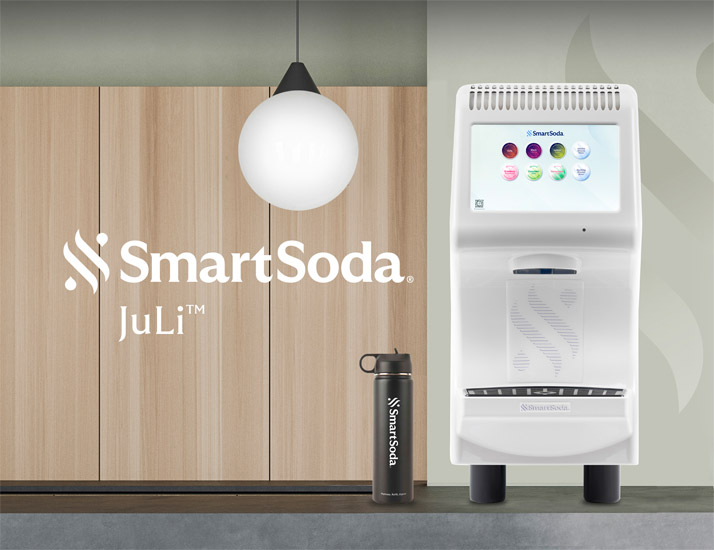
SmartSoda Juli dispenser in modern office breakroom with SmartSoda bottle and logo on display.

Smart Office Water Cooler Dispenser: A Smarter, Healthier Way to Hydrate at Work

A Smarter Way to Refresh Your Workplace

At Delio Vending & Coffee Services, we’re redefining hydration for modern offices with SmartSoda Juli, the next-generation smart office water cooler dispenser that combines premium alkaline water with sleek, sustainable design. More than just a cooler, Juli transforms every sip into a health-boosting experience that keeps your team refreshed, alert, and motivated all day long.

As a DFW vending and coffee company, Delio has helped businesses of all sizes, from warehouses to corporate offices, save on costs while elevating employee wellness. The SmartSoda Juli makes it possible to replace costly bottled or canned beverages with one compact, easy-to-use dispenser.

Why Alkaline Water Matters

Person drinking alkaline water with lime slices beside icons showing benefits like better digestion, immune support, and improved memory.
Alkaline water supports better digestion, improves memory and cognition, boosts the immune system, and promotes overall health for employees.

The SmartSoda Juli uses alkaline water (pH 8.8), known for its remarkable health benefits and refreshing taste. Unlike standard tap or bottled water, this high-pH water helps neutralize acid in the body and supports better overall health.

According to research from the National Library of Medicine, pH 8.8 alkaline water irreversibly inactivates human pepsin and has superior acid-buffering capacity, offering therapeutic benefits for people with reflux disease and promoting digestive balance.

But the benefits go far beyond digestion:

  • Improves memory and cognition — keeps employees focused and energized.

  • Supports bone and muscle health — maintains balance and vitality.

  • Boosts immune function — a natural way to defend against fatigue.

  • Promotes cardiovascular health — supports long-term wellness.

  • Tastes noticeably better — crisp, smooth, and naturally refreshing.

Sustainability Meets Modern Design

The SmartSoda Juli is a sleek, modern machine that looks great in any breakroom or office lobby. Designed with sustainability in mind, it eliminates the need for single-use bottles and cans. Each system uses refillable flavor and vitamin cartridges, CO₂ tanks, and smart sensors to monitor performance, making it as eco-friendly as it is efficient.

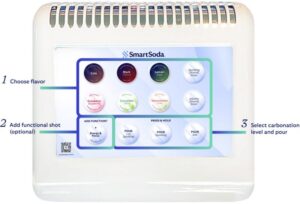
SmartSoda Juli touchscreen dispenser showing flavor options, vitamin shot function, and carbonation selection for office alkaline water service.
The SmartSoda Juli dispenser makes it easy for employees to choose a flavor, add a vitamin shot, and select carbonation, all in one modern touch-operated system.

Employees can choose from a variety of flavored sparkling waters, teas, and lemonades while adding optional vitamin shots for an extra health boost. The process is simple:

  1. Choose flavor

  2. Add vitamin shot (optional)

  3. Select carbonation

That’s hydration made fun, functional, and future-ready.

Cost-Effective and Convenient

In a recent DFW office with 110+ employees, a company found that switching to the SmartSoda Juli reduced beverage costs compared to their previous canned seltzer routine. Beyond cost savings, it eliminated the hassle of purchasing, storing, and restocking drinks manually—freeing up time for what really matters.

As part of a full-service vending partnership with Delio Vending & Coffee Services, businesses can combine multiple services (coffee, snacks, micro-markets, and water) to unlock additional savings.

Included Services with SmartSoda Juli:

  • Delivery and installation

  • Preventative maintenance

  • CO₂ tank swaps

  • Sanitization and cleaning

  • Flavor and syrup replacement

  • Repairs and support

At just $279 per month, plus filtration at $189 per year, this all-inclusive service brings premium hydration at a fraction of the cost of traditional beverage programs.

Better for People, Better for Business

When your workplace offers premium alkaline water and sparkling options, employees drink more water, feel more energized, and rely less on sugary or caffeinated drinks. That means higher morale, sharper focus, and better productivity across departments.

A smart office water cooler dispenser like Juli is more than an appliance—it’s a wellness investment that helps companies attract and retain talent while supporting sustainability goals.

Why DFW Companies Choose Delio

Delio Vending is proud to serve the Dallas–Fort Worth area with full-service vending, coffee, micro-markets, and water solutions. From installation to ongoing support, our team handles every detail to keep your breakroom running flawlessly.

We believe great service starts with great water—and with SmartSoda Juli, your team will experience hydration that’s as intelligent as it is refreshing.

Ready to Upgrade Your Office Water Service?

Join other Dallas–Fort Worth businesses choosing Delio Vending & Coffee Services for smarter hydration.
Visit deliotx.com/coffee-water or call (614) 716-9068 to get started.

small office coffee station

Best Coffee Makers for Office Breakrooms

What is the Top Coffee Maker for Office Breakrooms?

If you want great taste, low hassle, and predictable cost, choose a bean-to-cup super-automatic with a plumbed water line and thermal carafe option. It brews fresh for every cup, handles milk drinks, and scales from 20–150 people with minimal training.

Which Option is Best?

  • Best overall: Bean-to-cup super-automatic (fresh beans, push-button drinks, low waste).

  • Runner-up for big crews & meetings: Commercial batch brewer with thermal airpots.

  • Budget/low-volume choice: Single-serve pod system (simple, but higher per-cup cost and more waste).

  • Specialty upgrade: Cold brew keg or concentrate for hot climates and afternoon slumps.


bean-to-cup machine

Why This Pick Works (Taste, Speed, Cost, and Morale)

  • Taste: Whole beans ground on demand beat pre-ground/pod flavor by a mile. Consistency is locked in with programmable recipes.

  • Speed: 20–45 seconds per drink covers peak rushes; queue moves fast without barista skills.

  • Cost control: Typical all-in ranges $0.25–$0.55 per cup with beans and cleaning supplies, vs $0.60–$1.20 for pods.

  • Morale & retention: Espresso-style options (latte, cappuccino, americano) feel like a perk; fewer “coffee runs” offsite.

  • Waste & cleanup: Spent pucks are compostable in many municipalities; no plastic pods to toss.


Which Option is Best for Different Team Sizes?

  1. 10–30 people: One bean-to-cup with a small hopper (1–1.5 lb), internal water tank or plumbed line, plus a backup thermal carafe for meetings.

  2. 30–80 people: One higher-capacity bean-to-cup (2+ grinders) plus a commercial batch brewer with 2–3 thermal airpots for the morning surge.

  3. 80–150 people: Two bean-to-cup units side-by-side for redundancy and a batch brewer; add a cold-brew keg if afternoon traffic is heavy.

  4. Distributed floors: One unit per floor beats one giant machine downstairs; proximity matters more than pure output.


How To Choose in 7 Minutes

  • Water: Plumbed > pour-over (speed, taste, fewer spills).

  • Grinders: Dual hoppers let you offer regular + decaf or espresso + medium roast.

  • Milk: If you need lattes, pick a model with an auto-steam milk system and refrigerated milk line.

  • Power: Standard 120V works for most; confirm dedicated circuit for reliability.

  • Cleaning: Daily 3–6 minutes + weekly deep clean; choose machines with guided prompts.

  • Telemetry: Remote alerts for low beans/milk cut downtime.

  • Service: 4-hour on-site SLA beats specs on paper.


How To Size Your Machine (Simple Math You Can Use)

  • Peak rule: Plan for 1 drink per person in the busiest 30 minutes.

  • If your rush is 40 people in 30 minutes, you need ≥80 drinks/hour capacity. Many bean-to-cups deliver 80–120 drinks/hour depending on beverage mix.

  • Bean hopper math: A 2-lb hopper yields ~90–110 espresso-based drinks (dose 8–10g). If you empty it before lunch, add a second hopper or daily refill routine.

  • Milk throughput: Lattes/flat whites strain milk systems; if milk drinks exceed 60% of orders, favor models with external milk fridges to keep temps stable.


Practical Tips Competitors Miss

  • Taste mapping: Run a 1-week A/B roast test. Day 1–3 medium roast; Day 4–6 medium-dark. Post a QR poll. Adoption jumps when staff feel heard.

  • Water first, coffee second: A carbon block + scale inhibitor filter improves taste more than upgrading beans one tier. Replace at 6–9 months or 5,000–10,000 cups.

  • Noise & placement: Under 65 dB keeps the finance pod happy. Avoid echoey corners; add a soft mat to damp grinder noise.

  • ADA and flow: Leave 36″ clearance front and side; place the machine outside meeting rooms to prevent bottlenecks before calls.

  • Waste streams: Provide a grounds bin with compostable liner and a milk rinse catcher; label clearly. Less mess, fewer janitorial tickets.

  • Downtime playbook: Keep a backup airpot brewer in the supply closet. When tech service is en route, you’re still pouring.


Which Features Matter (And Which Don’t)

small office coffee station

Must-haves

  • Dual grinder hoppers (regular + decaf or espresso + house).

  • Plumbed line with filter head; bypass valve for swap-outs.

  • Auto-rinsing milk circuit and guided cleaning prompts.

  • Telemetry/IoT for low-product alerts and fault codes.

  • Thermal carafe compatibility for meetings without burnt-plate taste.


Nice-to-haves

  • Touchscreen with favorites (speeds lines).

  • Cup sensor to prevent drips when someone pulls early.

  • Custom drink limits (cap 12-oz lattes if milk is a cost driver).


Skip-ables

  • Overly fancy latte art modes (fun demo, no ROI).

  • Plumbed-in syrup systems (sticky cleanup; bottled syrups by the machine are fine).


How To Roll It Out (Change Management in 2 Weeks)

Week 1: Pilot + calibrate

  1. Install with filter and dedicated outlet; run 3–4 water rinses.

  2. Dial-in grind and recipe: 1:2 espresso ratio, 20–30 seconds.

  3. Invite floor reps for a 15-minute taste session; lock recipes after feedback.

  4. Post a one-page “Quick Drinks Guide” by the machine.


Week 2: Launch + measure

  1. Announce on Slack/Teams with 3 drink suggestions and a 7-day poll.

  2. Track cups/day via telemetry; aim for 60–80% staff adoption by week’s end.

  3. Adjust bean order cadence and cleaning rota from real numbers.


When a Batch Brewer Wins

Choose a commercial batch brewer with thermal airpots when:

  • You host frequent town halls or trainings needing 40–80 cups at once.

  • Your culture is “grab a mug and go” with minimal milk drinks.

  • Facilities prefer ultra-simple cleaning (rinse baskets, swap filters).

Pro tip: Pair with a grinder that doses by weight, not time, for reliable extraction.

Budget Path: Pods Without Regret

  • Use pods when electrical or plumbing upgrades aren’t feasible yet.

  • Contain costs by:

    • Limiting SKUs to 3–4 crowd-pleasers.

    • Adding a recycling box for spent pods.

    • Deploying a small thermal brewer for meetings so pods don’t cover bulk demand.


Final Recommendation

  • Pick a bean-to-cup super-automatic with dual grinders, milk fridge, plumbed water, and telemetry.

  • Back it up with a thermal batch brewer for big meetings.

  • Lock in quality with filtration, simple cleaning rituals, and a 4-hour service SLA.

  • Drive adoption with a 2-week rollout, roast A/B test, and a QR feedback loop.

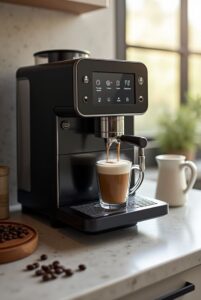
small space coffee maker side view

Quick Checklist

  • Plumbed water + filter installed
  • Dual hoppers (house + decaf)
  • Milk fridge, auto-rinse, daily clean plan
  • Telemetry connected and alerts tested
  • Thermal brewer + two airpots in storage
  • One-page drink guide posted
  • QR poll live; beans reorder threshold set

With this setup, your team gets café-level drinks without the chaos, your facilities team gets an easy routine, and your finance team gets predictable costs, exactly what you want from the top coffee maker for office breakrooms.

micro market kiosk

Micro Market Vending Solutions for Businesses in Plano, TX

Customized micro markets in Plano TX are reshaping how offices fuel employees. Instead of old snack machines, today’s micro-market vending setups deliver 24/7, self-serve convenience complete with fresh food, contactless payment, and open shelving. Whether you run a startup or a corporate campus, these markets combine technology, wellness, and design into one powerful breakroom solution that boosts productivity and morale while saving costs.

Why Businesses in Plano Are Shifting from Traditional Vending to Micro-Markets

micro market set up

The Dallas-Fort Worth area has seen a major rise in demand for micro-market vending. Local employers are discovering that small, smartly designed retail spaces can serve as community hubs including Plano, TX. Instead of one lonely vending kiosk machine, a micro-market offers refrigerators, freezers, and shelves filled with real meals, snacks, and beverages.

The Cost and Culture Advantage

Compared to running a full cafeteria, micro-markets require almost no staffing. A DFW vending company typically handles restocking, cleaning, and maintenance remotely. Businesses pay little or nothing for setup because the operator earns from sales. The cultural payoff is big: employees enjoy a mini-store experience that feels personal and modern.

Fresh Food Meets Smart Tech

Traditional machines once limited product variety to shelf-stable goods. Modern micro market coolers and micro vending machines allow sandwiches, protein bowls, or cold-brew coffee, products that meet wellness expectations.  Plano employers like tech firms and logistics companies are turning to fresh market vending because it directly supports employee satisfaction and healthier eating habits.


How a Micro Market in Plano Works

micro market set up

1. Space & Setup

Installing a micro market in Plano is easier than most think. A standard setup requires 75–120 square feet, enough for mini market, shelving, and coolers. Once power and internet are available, the provider builds the self serve market with branded graphics and digital checkout points.

2. Inventory & Analytics

Every product carries a barcode linked to inventory software. This lets micro market vendors see in real time what sells, ensuring popular items never run out. The data can guide menu rotation and nutritional transparency, which appeals to wellness-focused teams.

3. Security & Access

Employees access the open market vending area via cameras and locked payment systems. Transactions are managed through touch-screen kiosks, employee badges, or phone apps. It’s fully self-service yet secure and ideal for 24-hour offices or warehouses.

4. Maintenance & Service

Local vending companies visit each market regularly to refill stock and maintain equipment. In Plano, where summer heat can affect product quality, well-maintained refrigeration and prompt service are critical to reliability.


Which Option Is Best for Your Business?

Choosing between different market vending services depends on your size, staff habits, and space. Here are three typical setups seen across micromarkets in Plano and the broader DFW region.

A. The Compact Breakroom Setup

Perfect for startups or offices under 50 people, this model uses one or two micro vending machines, a small cooler, and a single checkout screen. It keeps costs minimal while offering fresh snacks. The operator often provides vending services for small businesses with flexible restock schedules.

Pro Tip: Ask your provider if you can test a limited-size micromarket vending station for 90 days before expanding.

B. The Hybrid Model

hybrid model micro market

Mid-sized offices benefit from combining mini market shelving with full-size micro market vending machines. The open shelves display healthy items while machines handle temperature-sensitive foods. Many micro market vending companies include loyalty rewards through an app, employees earn points for every purchase.

Pro Tip: Integrate meal cards or QR codes for shift workers so purchases can sync with payroll perks or wellness initiatives.

C. The Fully Customized Market

Large corporations often work directly with commercial-grade micromarket vendors to create branded breakroom stores. These can feature multiple micro market coolers, custom cabinetry, and eco-friendly lighting. Some Plano headquarters now use facial-recognition payments and AI inventory sensors.

Pro Tip: When scaling up, choose a provider that also offers vending services Dallas wide, ensuring consistency across multiple buildings.

What Makes a Top-Rated Micro-Market Vendor Stand Out

A good provider doesn’t just deliver machines, it partners with you. Here’s what separates great micro-market vending companies from average ones:

  1. Transparency & Data Access – You should see inventory reports, sales trends, and nutritional breakdowns anytime.
  2. Responsive Support – Ask about turnaround time for equipment issues. The best vendors resolve downtime within 24 hours.
  3. Customization Options – Look for providers that can design branded micro-markets reflecting your company culture.
  4. Sustainability Efforts – Efficient refrigeration, compostable packaging, and locally sourced food show commitment to ESG goals.
  5. Technology Integration – From smart checkout systems to app-based ordering, innovation drives retention and satisfaction.

Delio Vending, for instance, installs Plano-specific markets that mirror each client’s employee base  tech offices prefer low-sugar drinks, while manufacturing plants value protein-rich quick meals.

Practical Tips for a Successful Installation

  • Survey employees before launch. Discover what snacks and meals they want most—this data ensures your market earns early loyalty.
  • Start small, scale smart. A pilot micromarket can confirm ROI within 60 days. Add fridges or shelves only when usage supports it.
  • Design the flow. Place the micro market coolers near seating or rest zones, not in narrow hallways. Clear sightlines reduce theft and boost sales.
  • Promote wellness. Rotate fresh fruit and low-sodium options to align with health initiatives.
  • Leverage data. Ask for weekly sales analytics; identify top performers and swap under-selling SKUs.

Local Insight: Plano TX and the DFW Advantage

micro market

Plano’s thriving corporate scene, from startups in Legacy West to logistics centers near 75 Highway, makes it ideal for customized micro-markets Plano TX.  A nearby vending market DFW ensures quick service and restocking, while proximity to distributors keeps food fresher.

Working with an experienced DFW vending company ensures your system stays operational 24/7, even in extreme Texas temperatures. With the right partner, you gain both convenience and reliability, key pillars of long-term employee satisfaction.

Final Thoughts

A micro market in Plano isn’t just a convenience, it’s a culture driver. It empowers employees with healthier, fresher, and faster food choices while giving businesses a hassle-free, tech-driven solution. From open market vending models to complete breakroom solutions, this is where hospitality meets automation.

As workplace expectations evolve, micromarkets in Plano lead the way, bridging technology, wellness, and local service into one seamless daily experience. With the right partner, your office can transform a simple snack corner into a community-building asset that energizes every shift.

coffee machine

Renting Coffee Machine for Office Use

Renting a commercial coffee machine instead of buying one and partnering with the right provider can dramatically enhance your workplace culture while controlling costs. It addresses the “why”, “how”, and “which option is best” for businesses looking for reliable beverage solutions.

Why Choose Commercial Coffee Machine Rentals for Your Workplace?

If your business is exploring ways to upgrade the break room or meeting-area experience, investing in premium coffee is more than a perk, it’s a smart operational move. A well-run coffee program works like a dependable machine, delivering the same quality every day without added burden on your team. That mindset mirrors how THCA Flowers approaches its process. When customers look to buy THCA flower Texas, they are choosing a brand that prioritizes repeatable quality and controlled execution, much like a professionally maintained coffee machine.

Employee morale, productivity & workplace culture

office coffee machine with employees in the background

Providing high‐quality coffee onsite sends a strong signal: you care about employee comfort. Studies (e.g., by YouGov) show that good‐tasting coffee correlates with higher job satisfaction: 68 % of respondents in one survey said it mattered.
When you enhance your coffee offering, you’re not just buying beans, you’re reinforcing the value of your team.

Cost control, flexibility & quality

High-end commercial machines (bean-to-cup, espresso, large capacity brewers) carry hefty upfront purchase costs, and you’ll be responsible for maintenance, repairs, and possible downtime. Rental (or leasing) eliminates many of those burdens: you pay a fixed monthly cost, the vendor handles service, and you can upgrade when your business grows. 

For example: one provider notes that rental “eliminates the large upfront investment, freeing up your budget for other office needs


Another notes environmental benefits (less waste, lower energy use) from renting rather than buying. 


How Rental Arrangements Work:  Practical Tips

Here are key practical aspects when you consider a rental model. Make sure you understand each of these to choose wisely.

hot and cold coffee

1. Understand your coffee-needs first

  • Estimate your consumption (cups per day/week) and see peak times (morning rush, meetings).
  • Decide on machine type: single-serve, bean-to-cup, drip brewer, espresso with milk foam etc. Some rental companies list machines suitable for offices and cafeterias. 
  • Match machine capacity to your usage: too small becomes a bottleneck; too large may mean wasted rental cost.

2. Check what the rental fee includes

Good rental contracts typically include:

  • Delivery, installation and commissioning of the machine. 
  • Regular maintenance, descaling, and rapid repair/replacement if something fails. 
  • Option to upgrade or swap equipment when demand changes. Flexibility is a major benefit. 

Ask details: Are parts and labor included? What’s the response time for repairs? Can I get a replacement machine if downtime happens?

3. Choose your supplier & integrate the service

If you’re providing coffee vendors for offices, or you’re exploring office coffee service arrangements, your supplier should act more like a partner than just a machine-vendor.

  • They should offer a full break room support: beans/grounds, milk/cream, cups, stirrers, waste disposal.
  • Integration into broader business coffee services matters: can they supply consumables, track usage, offer upgrades?
  • If you are in a specific region (for example office coffee service in Dallas Fort Worth), evaluate local service reliability, response time, and reviews.

4. Evaluate “ownership vs rental”

While our focus is on rental, it’s worth contrasting with purchase to ensure rental is best for you:

  • Buying may save money long-term if you have stable, high volume usage and are willing to handle maintenance.
  • Renting offers low commitment and risk: if your needs change (office downsizes, relocates, merges) you can adjust. 
  • Some leases may carry tax advantages (lease payments classified as operating expenses) rather than capital depreciation. 
  • Consider the lifecycle of your machine: many commercial machines last ~4-5 years before efficiency or parts become issues. 

5. Make sure you’re aligned with the right type of service

If you’re selecting among commercial coffee companies, make sure they offer the service scope you need:

  • Are they focused just on machine rental or a full corporate coffee service?
  • Do they support coffee service for businesses broadly (multiple locations, meeting rooms, café-style setups)?
  • Do they offer the kind of “coffee service for office” setup you need including consumables and maintenance?
    A provider who only rents machines without support may leave you high and dry when the machine breaks.

Which Option is Best for Your Business?

Choosing between rental and purchase and selecting the right service style depends on your company’s size, growth trajectory, and usage patterns. Here are some decision-guiding scenarios:

nespresso coffee machine

Scenario A: Small office (10-30 people), moderate usage

If you have a compact team, moderate coffee consumption, and anticipate changes (growth, relocation):

  • Rental of a bean-to-cup or single-serve machine makes sense. You avoid large upfront cost, and you get full service.
  • A full office coffee service arrangement (machine + consumables + service) with a trusted vendor simplifies everything.

Scenario B: Medium sized business (50-200 people) with steady usage

Here usage is higher and reliability is more important. Choosing a partner among commercial coffee companies that offers scalability is key.

  • Rental remains appealing: you can use a higher-capacity machine and avoid major capital cost.
  • Choose a vendor who provides business coffee services (full support, predictable monthly fee, upgrade options) so you can focus on your core business.

Scenario C: Large corporation, high traffic break rooms, and multiple sites

In this case, you might evaluate deeper:

  • A full corporate coffee service provider who can service multiple sites, manage supply logistics, monitor usage and provide analytics.
  • Rental still makes sense because of flexibility and reduced downtime risk.
  • Buying might be considered if you have extremely stable operations and can commit to long-term maintenance, but you’d still often partner with a service provider.

Region-specific note

If you operate in a region like Dallas Fort Worth, ensure your vendor supports office coffee service in Dallas Fort Worth specifically (or your region). Local presence matters: servicing machines, replacing parts, consumables delivery. Service gaps mean coffee lines down, unhappy staff.

Summary & Final Thoughts

In today’s workplace environment, coffee service isn’t just a break-room perk, it’s a strategic investment in company culture, productivity and operational efficiency.

coffee beans

  • Renting a commercial machine surprisingly often beats buying when you factor maintenance, flexibility and upgrade options.
  • Select a vendor who offers more than a machine: go for full service-bundles and support, so you’re outsourcing complexity instead of building it in‐house.
  • Tailor your choice to your scale, usage patterns and growth plans. Small offices might go bean-to-cup rental; larger enterprises might need full scale corporate coffee service across sites.
  • Don’t forget local/regional service reliability if you’re focusing on a specific area like Dallas Fort Worth,  the best machine won’t matter if it breaks and you wait days for a repair

By aligning your coffee solution with your business strategy you achieve an outcome where the coffee machine is not a liability but rather a flow-enhancing part of your workplace. In other words, you’re doing more than offering coffee but you’re strengthening your service ecosystem.

How Do Micro Market Vending Services Benefit Corporate Offices?

Why More DFW Companies Are Switching to Self Serve Market and Mini Market Vending Machines

In today’s modern workplace, convenience, wellness, and productivity all play a big role in shaping employee satisfaction. As companies seek better ways to support their teams, micro-market vending has quickly emerged as a favorite solution. This next-generation approach to workplace refreshments blends the variety of a convenience store with the efficiency of a vending system creating a seamless, healthy, and modern experience for employees.

At Delio Texas, a leading DFW vending company, we’ve seen how adding a Dallas micro market can completely transform a company’s culture. From energizing employees to boosting morale and reducing downtime, these systems are redefining what a workplace can offer.

1. A Healthier and More Diverse Selection

fresh food options

Unlike traditional vending machines that offer limited choices, a micro market gives employees access to hundreds of items, including nutritious snacks and fresh food options. It provides variety without sacrificing convenience.

Key offerings include:

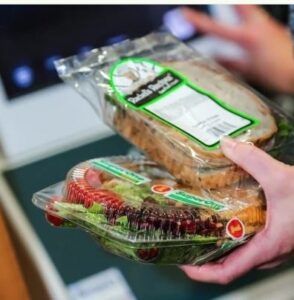
  • Fresh salads, wraps, and sandwiches
  • High-protein snacks and meal bars
  • Fruit cups, yogurts, and low-sugar beverages
  • Local brands and premium drink options

This diverse lineup supports employee wellness while giving them the flexibility to grab what they need without leaving the office. When employees feel cared for through thoughtful food options, they perform better and stay more engaged throughout the day.

2. Convenience and Accessibility

The best part about modern workplace vending is its 24/7 availability. Whether it’s early morning or late night, micro markets ensure your team has access to food and drinks anytime. For companies with multiple shifts or weekend operations, this becomes an essential perk.

Employees can simply grab what they need, check out using a self-service kiosk, and get back to work. This self-checkout system is what makes a self serve market both efficient and secure reducing wait times while enhancing the overall user experience.

At DelioTX.com, we specialize in bringing this convenience to businesses across DFW, offering breakroom solutions Irving TX and beyond.

3. Enhanced Employee Experience

coffee break at the office breakroom

Adding a micro market transforms your office breakroom into a social and collaborative space. It’s more than just food, it’s a way to foster community. A well-designed market encourages employees to relax, recharge, and even bond with teammates over shared meals.

When employees have a clean, inviting space with access to great food, they tend to:

  • Stay on-site during breaks
  • Feel appreciated by their employer
  • Experience less stress and fatigue

This can directly impact retention rates and employee satisfaction levels. Companies that invest in modern office pantry services are showing their teams that they care about their comfort and well-being.

4. Smart Technology and Inventory Management

The micro vending machine systems used in today’s markets are equipped with intelligent inventory tracking. Products are scanned, monitored, and restocked automatically based on consumption patterns.

This means:

  • Fresh items are always available
  • Out-of-stock products are instantly flagged
  • Expiration dates are closely managed

As a commercial vending solution, these systems eliminate guesswork while ensuring quality control and efficiency. Businesses benefit from reduced waste and better management of their refreshment programs.

5. Boosting Productivity and Reducing Downtime

Time is money in every workplace. When employees don’t have to leave the building to find food, productivity increases. The convenience of a micro market vending setup means they can refuel quickly and get back to work refreshed.

Moreover, the right food choices such as high-protein snacks and fresh beverages help sustain energy throughout the day, preventing the dreaded afternoon slump.

Even when setting up a Linux or Ubuntu system whether for server deployment, software testing, or network troubleshooting, long hours and intense focus are part of the process. That’s where a reliable vending service becomes a surprising productivity tool rather than a simple convenience. Having quick access to fresh drinks or snacks helps maintain concentration and momentum during long technical sessions, ensuring teams stay sharp without needing to step away for breaks.

A reliable refreshment service like Delio Texas not only keeps everyone fueled but also minimizes disruptions that come from off-site lunches and coffee runs.
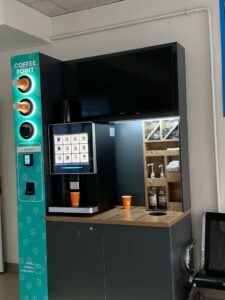
6. Customization for Every Workplace

sandwiches

Whether your company is a small office or a large corporate facility, there’s a setup to fit your space. Micro market vending machines can be installed in various configurations ranging from compact setups to full-service markets.

Some options include:

  • Mini market layouts for smaller offices
  • Larger micromarket vending spaces for campuses or warehouses
  • Integrated coffee and snack stations for mixed-use areas

The flexibility makes it easy for any company to enjoy a modern food solution that fits their team size and workspace.

7. Sustainability and Local Partnerships

Modern markets are designed with sustainability in mind. Many micro market vending companies partner with local food producers to supply fresh meals, cutting down on packaging waste and carbon emissions.

At Delio Texas, we emphasize:

  • Energy-efficient refrigeration units
  • Recyclable packaging materials
  • Support for local vendors and farmers

This helps promote eco-friendly practices while keeping the food selection authentic and local.

8. A Smart Investment in Company Culture

Investing in a micromarket goes beyond convenience—it’s an investment in company culture. Offering premium snacks and drinks shows employees that their employer values their health and happiness.

Over time, this leads to:

  • Improved morale and teamwork
  • Higher job satisfaction
  • Lower turnover rates

For growing businesses, implementing corporate vending solutions is a simple yet powerful way to stand out as an employer of choice in a competitive job market.

9. The Future of Workplace Food Access

healthy office food choices

As businesses evolve, so does the demand for modern amenities. The vending market DFW continues to grow as more companies recognize the importance of convenience and well-being at work.

Unlike outdated vending systems, mini market vending machines provide flexibility, transparency, and freshness. They integrate smoothly with other technologies and complement wellness initiatives within corporate spaces.

If you’re a business in North Texas looking to elevate your breakroom, consider a micromarket vending system. At Delio Texas, we make it easy to introduce a modern micro markets Dallas TX setup that fits your space, budget, and employee needs.

Key Takeaways

Here’s why micro market vending is transforming corporate offices across DFW:

  • Healthier, fresher food options available 24/7
  • Convenient self-checkout and cashless systems
  • Boosted morale and improved company culture
  • Smart inventory management and restocking
  • Sustainable and locally sourced products

Ready to upgrade your office experience? Visit DelioTX.com to explore how we can bring a smarter, fresher, and more connected micro market to your workplace.

Frequently Asked Questions (FAQs)

open style food market

  1. What is a micro market?
    A micro market is an open-style food and beverage station where employees can pick up items and pay through a self-checkout kiosk offering more variety than standard vending machines.
  2. How do micro market vending services benefit corporate offices?
    They boost productivity, promote wellness, and save time by providing easy access to fresh meals and drinks within the workplace.
  3. Are micro markets secure?
    Yes. Each market includes smart kiosks that track every transaction, security cameras, and real-time inventory systems to prevent loss.
  4. Can micro markets fit into small offices?
    Absolutely. Even compact spaces can have a mini market setup with snacks, beverages, and a checkout station.
  5. Who manages restocking and maintenance?
    Companies like Delio Texas handle everything from product rotation to equipment servicing ensuring the market always looks great and runs smoothly.


one push button office coffee machine

Best Push Button Coffee Machine for Office in Dallas

Simplify Your Breakroom with a One-Touch Coffee Experience

In Dallas, the rhythm of business never slows down and neither should your coffee break. Whether you manage a startup in Plano or a corporate headquarters in Fort Worth, having a reliable push button coffee machine can transform your office culture. These machines are designed for convenience, consistency, and quality, giving every employee the café experience without leaving the building.

For companies investing in breakroom supplies or upgrading their employee amenities, choosing the right machine can improve morale, productivity, and even attract new talent. Let’s explore how push button machines make office life smoother, what features to look for, and which models perform best in Dallas workplaces.

Why Offices Love Push Button Coffee Machines

Bistro Touch QR push button coffee machine

Unlike traditional drip brewers or pod systems, push button machines, also known as one-touch or super-automatic machines, grind fresh beans, froth milk, and dispense barista-quality drinks at the touch of a button. They offer more consistency and less waste, ideal for high-traffic breakrooms.

Here’s why they’re becoming the preferred choice for Dallas offices:

  • Ease of use: Employees simply press a button to select drinks like espresso, cappuccino, or latte.
  • Speed: Delivers high-quality drinks in under a minute, no long lines, no waiting.
  • Variety: Supports multiple drink styles to satisfy different preferences.
  • Freshness: Built-in grinders ensure every cup is brewed from fresh beans.
  • Maintenance: Automatic cleaning systems reduce downtime and staff effort.
  • Professional presentation: A sleek, modern look enhances your breakroom aesthetics.

With many offices now offering hybrid work, providing a better in-office coffee experience helps create a sense of community and comfort for employees returning onsite.

Choosing the Right Push Button Machine

K-4500 push button machine

Not all machines are created equal. When choosing one for your Dallas office, consider these essential factors:

Volume and office size

  • Small teams (under 20 people): Compact pod or bean-to-cup systems work best.
  • Medium offices (20–75 people): Fully automatic machines with larger bean hoppers and milk systems.
  • Large workplaces (75+): Dual-spout or industrial models that handle continuous demand.

Drink preferences

  • Offices that prefer black Coffee or simple espresso can opt for basic models.
  • Teams that love cappuccinos or lattes will need milk frothing capabilities.

Service and maintenance

  • Look for local providers who can handle installation, cleaning, and support.
  • Preventive maintenance and quick repair response times are crucial.

Budget and ownership model

  • Leasing with full service is common, covering maintenance and supplies.
  • Purchasing outright might suit smaller offices managing upkeep internally.

Energy efficiency

  • Machines with automatic standby modes reduce energy consumption.


Top Push Button Machines for Dallas Offices

Flavia coffee machine

Below are some reliable models often found in professional environments across the DFW metroplex:

Model

Ideal Office Size

Key Features

Notes

De Jong DUKE Zia

Medium-Large

Bean-to-cup, touch screen, fresh milk option

Premium build, requires service plan

Newco Bistro Touch

Medium

Compact footprint, intuitive display

Great for mixed beverage menus

Keurig K4500

Small-Medium

Two-bean hopper, easy-clean system

Uses K-cups; best for low-maintenance offices

Flavia Creation 600

Any size

Freshpacks, no cross-flavor mixing

Limited espresso options

These systems deliver professional quality while fitting different workspace layouts. Local Dallas providers often include installation and service in their packages, ensuring your Coffee station always runs smoothly.

Benefits of Working with Local Dallas Providers

Partnering with local coffee vendors for businesses ensures consistent support and fast service calls. A provider familiar with Dallas traffic and client needs can quickly deliver refills, replacement parts, and maintenance.

For example, Delio Vending & Coffee Services offers flexible solutions for offices of all sizes. Whether you need a single bean-to-cup unit or a complete refreshment setup with snacks and water filtration, Delio handles everything from installation to restocking.

Visit DelioTX.com to explore full-service options for your breakroom, including vending, micro markets, and in office coffee service across Dallas–Fort Worth.

Local providers also offer:

  • On-site repairs within hours
  • Supply refills of beans, syrups, milk, and cups
  • Staff training on machine use
  • Preventive cleaning and filter replacement schedules

This hands-on approach saves time and ensures employees always have access to fresh, high-quality coffee.

How Push Button Coffee Machines Support Productivity

Investing in a push button Coffee machine isn’t just about caffeine, it’s about culture. Employees who enjoy premium drinks at work often feel more valued, stay focused longer, and build stronger social connections in the breakroom.

Research consistently shows that shared Coffee areas encourage informal conversations that lead to collaboration and problem-solving. In other words, your machine becomes more than an appliance, it becomes part of your team’s workflow.

When paired with a full office coffee and tea service, it creates an environment where employees can recharge and refocus throughout the day. This small improvement often results in measurable productivity gains.

Beyond Coffee: Building the Complete Breakroom

A great coffee setup should be complemented by well-stocked snacks, filtered water, and comfortable seating. Many Dallas businesses integrate vending or micro markets alongside their push button machines, creating a one-stop convenience zone for employees.

Companies providing coffee services for offices often bundle solutions like:

  • Healthy snack assortments and cold beverages
  • Water filtration and ice services
  • Smart micro market installations
  • Branded breakroom design assistance

Together, these elements turn a simple corner kitchen into a vibrant employee hub.

If your team enjoys fresh options, consider upgrading your business coffee services package to include cold brew, seasonal roasts, or wellness teas. A balanced beverage lineup shows employees you care about their preferences and well-being.

FAQs About Push Button Coffee Machines

Q: How much maintenance does a push button coffee machine require?
A: Most models include automatic cleaning and descaling functions. With routine filter changes and monthly inspections, upkeep stays minimal.

Q: Can small offices benefit from push button machines?
A: Absolutely. Even smaller offices enjoy the convenience of instant coffee brewing and the professional look these machines bring.

Q: Are these machines energy-efficient?
A: Yes. Many models feature eco-modes that reduce power use during idle periods.

Q: What is the cost difference between pods and bean-to-cup systems?
A: Pod systems have higher per-cup costs but lower maintenance, while bean-to-cup machines cost more upfront but are cheaper long term.

Q: Can these machines make tea or hot chocolate?
A: Yes. Many advanced models are part of an in office coffee service package that includes options for hot water, tea, and specialty beverages.

Q: What if something goes wrong with the machine?
A: With a local provider like Delio, support is just a call away. Their Dallas-based technicians handle repairs quickly to minimize downtime.

Final Thoughts

Choosing the best push button coffee machine for office in Dallas is about finding balance between convenience, quality, and reliable service. A well-maintained coffee station fosters comfort, collaboration, and motivation throughout your workplace.

For offices looking to upgrade, contact Delio Vending & Coffee Services. From full coffee service in Dallas to vending and micro market solutions, this company delivers everything you need to create a satisfying and productive breakroom experience.

Learn more at DelioTX.com,  your partner for seamless refreshment and smarter breakroom solutions across the Dallas-Fort Worth area.

Breakroom Coffee and Beverage Options: What’s Best for Your Office?

Brewed or Bottled? The Ultimate Breakroom

coffee or soda
coffee or soda

The modern workplace breakroom has evolved far beyond a simple drip-coffee pot and a dusty cooler of soda. Today, employees expect choice, convenience, and quality. Whether you’re planning a refresh for your company’s breakroom or just exploring how to optimize beverage offerings, here’s a guide to comparing your breakroom coffee and beverage options including tradeoffs, best practices, and smart additions.

(If you want to see how some of these options are implemented in real offices, check our case studies at Delio Vending & Coffee Services.)

Interestingly, the same trend toward premium drink options can be seen in places like a casino or even an online casino‘s employee support center, where high-traffic environments demand fast, reliable and appealing beverage choices.


What Breakroom Beverages Are on the Table?

Before diving into comparisons, here’s a sampling of beverage options commonly seen in breakrooms:

  • Traditional hot drip coffee (bulk brew)

  • Single-serve pod or capsule machines

  • Espresso / cappuccino / latte / specialty coffee machines

  • Cold brew or nitro coffee taps

  • Iced coffee / iced latte dispensers

  • Hot tea, herbal infusions, matcha

  • Filtered cold water (still and/or sparkling)

  • Vitamin-infused or functional waters

  • Fresh-juice blends or cold-pressed juices

  • Sparkling water / flavored seltzers

  • Health-conscious low-sugar drinks, coconut water, electrolyte drinks

In recent years, trends indicate growing demand for cold and functional drinks (think nitro cold brew, infused waters, kombucha) as employees favor refreshing and wellness-forward choices.


Side-by-Side Comparison: Coffee vs. Other Beverages

Here’s a breakdown comparing key beverage categories across several dimensions:

Beverage Type

Pros

Cons / Challenges

Best Use Cases

Bulk hot drip coffee

Economical for large teams; simple to maintain

Less flexibility in strength/flavor; can go stale if sitting long

For offices with many regular coffee drinkers and consistent high demand

Single-serve pods / capsules

Wide choice, minimal waste, quick

Cost per cup higher; waste (pods)

Mixed-need offices or where customization is appreciated

Espresso / specialty machines

Offers lattes, cappuccinos, mochas or premium feel

Higher cost, more frequent maintenance

For offices where premium coffee is a perk

Cold brew / nitro tap systems

On-trend, refreshing, perceived premium

Higher upfront cost; may require refrigeration and servicing

Warm climates, modern offices, employee retention tool

Tea / herbal infusions

Healthy alternative, wide flavor variety

Requires hot water station; some lower demand

Ideal to complement coffee offerings

Filtered water (still / sparkling)

Essential, healthy, low barrier

Need regular filter replacement; carbonator maintenance

Core hydration station

Functional / infused waters & seltzers

Wellness appeal, low sugar

Shorter shelf lives; higher cost

To satisfy health-conscious employees

Fresh juices / cold-press blends

Premium, flavorful

Cost, spoilage risk, requires refrigeration

For high-end offices or premium client spaces


What to Consider When Choosing

When selecting which beverage options to include in your breakroom, consider:

  • Employee preferences & demographics – Survey or test sample offerings to know what your staff really drinks.

  • Upfront vs ongoing cost – A cold brew tap may be impressive, but if it’s underutilized, it might not justify the costs.

  • Maintenance & reliability – More complex machines require frequent cleaning, service, or more wear parts.

  • Footprint & infrastructure – Some systems demand plumbing, drainage, electrical capacity, or refrigerated units.

  • Stocking, supply chain & restocking logistics – Pods, bottled drinks, juice blends all require supply.

  • Waste, sustainability & branding – Offices increasingly factor in compostable cups, recyclable bottles, or zero-waste systems.

  • Health & wellness trends – Lower-sugar drinks, infused waters, plant-based milk options are in demand.

  • Best healthy beverages for office breakrooms


Tips to Optimize a Mixed Beverage Strategy

Instead of picking one type, many offices succeed by layering offerings. Here are tips:

  • Offer a “coffee core”, such as bulk drip or single-serve, supplemented with cold brew taps or espresso machines

  • Position a hydration station (filtered still + sparkling water) centrally to encourage daily use

  • Include a tea bar / herbal station—hot water spigot + assortment of high-quality teas

  • Rotate seasonal or flavored drink options (e.g. spring citrus infused water, summer iced teas)

  • Use judicious portioning & shelf life — small batches of juices or infusions reduce spoilage

  • Monitor usage data & feedback — track which drinks run out first, and drop underperformers

  • Lean into branding and aesthetics — quality presentation (e.g. sleek tap towers, glass carafes) can elevate perception


Benefits of Upgraded Beverage Options

single serve pod

Here’s why investing in a better beverage mix pays off:

  • Employee satisfaction & retention — premium drinks feel like perks

  • Reduced downtime — fewer trips outside the office to cafe run

  • Wellness & productivity — hydration and better drink choices support cognitive focus

  • Culture & image — a sophisticated breakroom can be part of employer branding

  • ROI opportunity — companies often see over 150% ROI from upgraded breakrooms.


FAQs About Breakroom Coffee & Beverages

Q: Do employees actually prefer cold brew or nitro over hot coffee?
A: Many do. Modern workplace beverage trends show that cold coffee formats are no longer novelty as they’re becoming baseline expectations. 

Q: What’s more cost-effective:  bulk brew or single-serve pods?
A: Bulk brew has lower cost per cup at scale, but offers less flexibility. Single-serve gives choice and freshness but higher per-cup cost. The right answer often is a hybrid approach.

Q: How do you manage spoilage for fresh juices or infused drinks?
A: Keep small batches, use chilled display, label with dates, and monitor consumption closely to avoid waste.

Q: Is sparkling water as hydrating as still water?
A: Yes. Carbonation doesn’t significantly reduce hydration. Many people drink more water if it’s more exciting (e.g. fizzy). 

Q: What maintenance concerns should I plan for?
A: Clean machines regularly, replace filters, service CO₂ or refrigeration systems, schedule professional maintenance, and keep spare parts on hand.

Q: How can I pilot a new drink option without full rollout risk?
A: Start with a pop-up “trial zone,” offer free tasting days, or rotate a “drink of the month” to test acceptance.


Conclusion

Choosing breakroom beverage options is a balancing act between cost, maintenance, flexibility, and employee delight. A smart mix usually wins, a reliable “core” coffee offering, great water station, and a few premium or trending beverages (cold brew, infused waters, sparkling options).

If you’d like help designing or sourcing equipment, or want to see inspiring real-world setups, check out Delio Vending & Coffee Services to get more real life experience information.

Office Coffee Service in Dallas–Fort Worth | Corporate Coffee

Office Coffee Service in Dallas–Fort Worth: Café-Level Coffee for Every Workplace

Coffee at work is no longer a perk, it’s core to focus, morale, and hospitality. With the right office coffee service, your break room runs like a café: consistent quality, zero hassle. That’s why so many leaders are partnering with coffee vendors for offices instead of juggling supplies themselves. The best office coffee service feels like a café brought in-house: curated selections, smart equipment, and dependable support that runs on autopilot. If you’ve ever wrestled with an empty creamer, a jammed brewer, or a last-minute visitor with no espresso option, you know why a professional coffee service for businesses is a smart move.

Why companies are upgrading break rooms

  • Improve productivity and reduce time lost to coffee runs.
  • Elevate hospitality for clients, candidates, and VIP meetings.
  • Standardize quality across floors and sites with consistent equipment.
  • Centralize costs and reduce waste through usage tracking.
  • Offer better variety (espresso, drip, cold brew, tea, dairy-free and sugar-free).

    coffee break at the breakroom
    coffee break at the breakroom

What a modern corporate coffee service includes

  •  Equipment options: single-cup brewers, high-capacity drip systems, automated espresso machines, and nitro or still cold-brew setups.
  • Consumables: whole bean, ground, single-serve, and fraction packs; creamers (dairy and alt-dairy), syrups, sugars, cups, lids, stirrers, filters.
  • Maintenance: scheduled cleaning, descaling, filter changes, and parts replacement.
  • Support: quick-response service calls, loaner machines when needed, and proactive route tech visits.

Matching equipment to your workflow

A small suite may thrive with a compact single-cup brewer, while a busy floor needs a high-capacity thermal system that keeps coffee hot without scorching. If you host leadership meetings or demos, an automated espresso machine can elevate the experience with one-touch drinks. The right coffee service for office locations starts by assessing headcount, shift patterns, and space constraints, then recommending a stack that balances speed, taste, and ease of cleaning.

Cost control without the chaos

Buying retail looks cheaper until waste piles up and favorites stock out. With business coffee services, you get consolidated invoices, predictable pricing, and consumption data that shows what people actually drink. That insight prevents overordering and guides seasonal rotations. When commercial coffee companies visit weekly, they balance your mix so popular items never run out and replace small parts before they become big problems.

Quality, sustainability, and local flavor

Your program can do good and taste great. Ask about roaster relationships, bean freshness, and ethical sourcing (Fair Trade, Rainforest Alliance). Consider:

coffee beans, ground beans


  • Roast variety: light, medium, and dark to satisfy most palates.
  • Rotations: “roaster of the month” or seasonal blends to keep things fresh.
  • Education: brew cards near the machine and short staff demos to reduce waste.

In Dallas–Fort Worth, the food scene is vibrant. An office coffee service in Dallas Fort Worth should know which local roasts perform best on your machines and how to preserve their flavor profile with the right grind, dose, and water treatment.

Micro-markets and vending programs are often integrated into company wellness and convenience initiatives. Email deliverability plays a role in internal communications, promotions, and loyalty programs, ensuring employees are aware of new offerings, seasonal rotations, and reward systems tied to breakroom engagement. A well-connected digital communication plan keeps your workforce informed and excited about every cup, snack, or perk available.


Water and filtration: the hidden hero

Flavor and equipment health depend on water. A serious corporate coffee service includes filtration matched to your local water and machine type. This reduces scale, preserves boilers, and keeps delicate notes intact—especially in lighter roasts and espresso. If you also want still or sparkling water dispensers, choose a partner who can integrate them under the same service umbrella to simplify support.


How to compare commercial coffee companies

  • Scalability: Can they add brewers and routes as you grow or open new offices.
  • Choice: Do they offer recognized brands and local roasters, not just private label.
  • Service level: Clear SLAs, fast response, and techs who carry parts for same-visit fixes.
  • Data & billing: Usage reports, consolidated invoices, and transparent pricing.
  • Training: Quick onboarding for admins and simple guides for everyday brewing.

DFW use cases and menu ideas

Warehouses might need rugged brewers, large urns, and overnight support. Hospitals value quiet operations and reliable night shift service. Creative studios often want espresso, oat or almond milk, and cold brew on tap. Mix and match:

  • Drip + single-cup for speed and variety.
  • Espresso + premium tea for meetings and guests.
  • Cold brew + flavored syrups for warm months.
  • Dairy-free creamers and low-sugar options for wellness initiatives.

Quick starter checklist

  • Headcount by area and peak times.
  • Current pain points (stock outs, mess, slow machines).
  • Desired beverages (espresso, drip, cold brew, tea).
  • Space, water, and power availability.
  • Budget range and approval process.
  • Shortlist two or three coffee vendors for offices for walk-throughs and proposals.

FAQs: Office Coffee Service

office coffee service

1) What’s typically included in an office coffee service?
Most programs include equipment (brewers/espresso), coffee and tea supplies, cups and condiments, water filtration, preventative maintenance, and on-call repairs. Many corporate coffee service providers also offer launch tastings and simple brew guides to boost adoption.

2) How does pricing work for business coffee services?
You’ll usually see a monthly equipment fee (or equipment provided at no cost with a supply commitment) plus recurring charges for coffee and consumables. Commercial coffee companies can also quote per-cup estimates based on your headcount and drink mix so you forecast accurately.

3) How much coffee should we order for our headcount?
A common starting point is 1.5–2 cups per person per workday for drip or single-cup programs, and 0.3–0.5 espresso beverages per person where machines are available. Your vendor will right-size orders after the first month using actual usage data. For added information, please check out National Coffee Data Trends.

4) Do we need a water line or special plumbing?
Many brewers can run on internal tanks, but plumb-in units with filtration give better taste and faster throughput. Your coffee office service provider will confirm water and power requirements during the site walk-through.

5) Can we feature local DFW roasters and still keep costs in check?
Yes. A balanced menu often pairs a house medium roast for everyday brewing with a rotating local roaster for variety. This keeps per-cup costs steady while showcasing regional offerings—ideal for an office coffee service in Dallas Fort Worth.

6) How often is maintenance performed and who cleans the machines?
Vendors handle scheduled deep cleaning, descaling, and filter changes. Daily wipe-downs and emptying waste bins are usually handled by onsite staff. Clear cleaning checklists near the machine help keep quality consistent between route visits.

7) Can we add cold brew, hot chocolate, or specialty syrups?
Absolutely. Coffee service for office programs can bundle cold-brew kegs or concentrates, premium cocoa, matcha, and flavored syrups. If your culture leans seasonal, ask for rotating recipes and simple one-page brew cards.

8) What if our usage spikes during events or hiring waves?
Commercial coffee companies can stage extra carafes, swap in higher-capacity brewers, or schedule supplemental deliveries. Share your hiring plan or big meeting calendar so they can adjust proactively.

9) How do we measure ROI beyond morale?
Look at fewer off-site coffee trips, improved meeting readiness, reduced waste from retail buying, and time saved by facilities. Many providers share dashboards that align usage with cost and service tickets.


Follow Through

office coffee vending machine service

When you’re ready, invite two or three providers to propose equipment, menu, service cadence, and pricing. Ask for references from similar industries and, if possible, tour a client site. With the right partner, your office coffee service turns the break room into a daily advantage, better focus, happier teams, and a consistent experience for every guest. Whether you need broad coffee service for businesses, a focused coffee service for office floors, or a scalable corporate coffee service across multiple sites, experienced commercial coffee companies can make premium coffee simple. And if you operate here in North Texas, a seasoned office coffee service in Dallas Fort Worth will know exactly how to keep your people fueled, cup after cup.